Every November, the same thing happens. The summer rentals empty out, the lobster rolls shrink to weekend-only hours, and somebody on a travel blog declares Cape Cod "closed for the season." Then a 400-pound gray seal hauls out on Nauset Beach to give birth, a hypothermic Kemp's ridley sea turtle washes up in Wellfleet, and a snowy owl from the Arctic perches on a dune at Race Point like it owns the place.
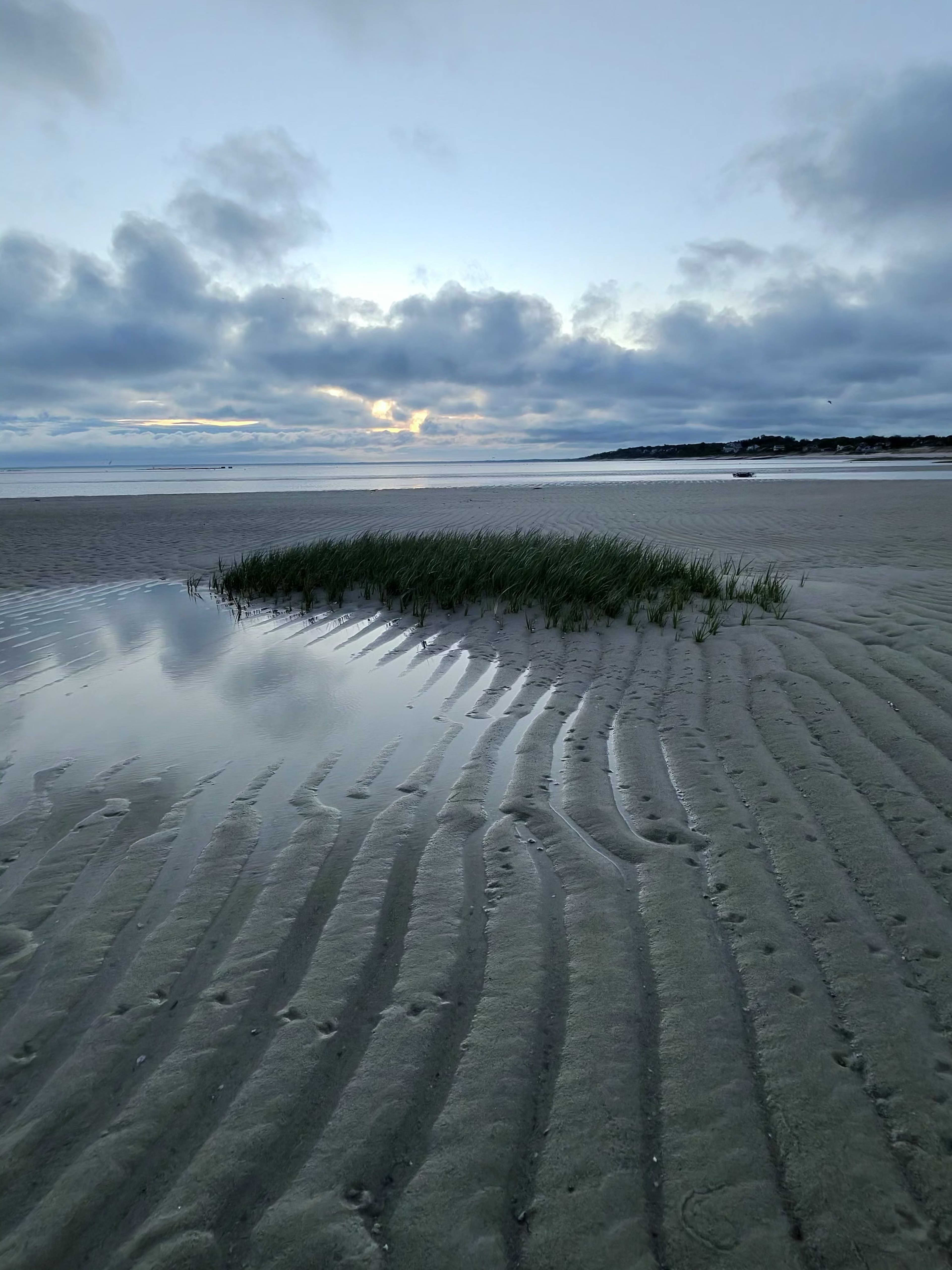
The Cape doesn't close in winter. It just stops performing for tourists. What replaces the crowds is the most concentrated coastal wildlife event on the Eastern Seaboard — and almost nobody is here to see it. This is a working guide to what shows up, when, where, and the rules that keep you from getting fined or making things worse for the animals.
Why Winter Is Actually the Cape's Best Wildlife Season
Three things happen between November and March that don't happen anywhere else on the U.S. East Coast at this intensity:
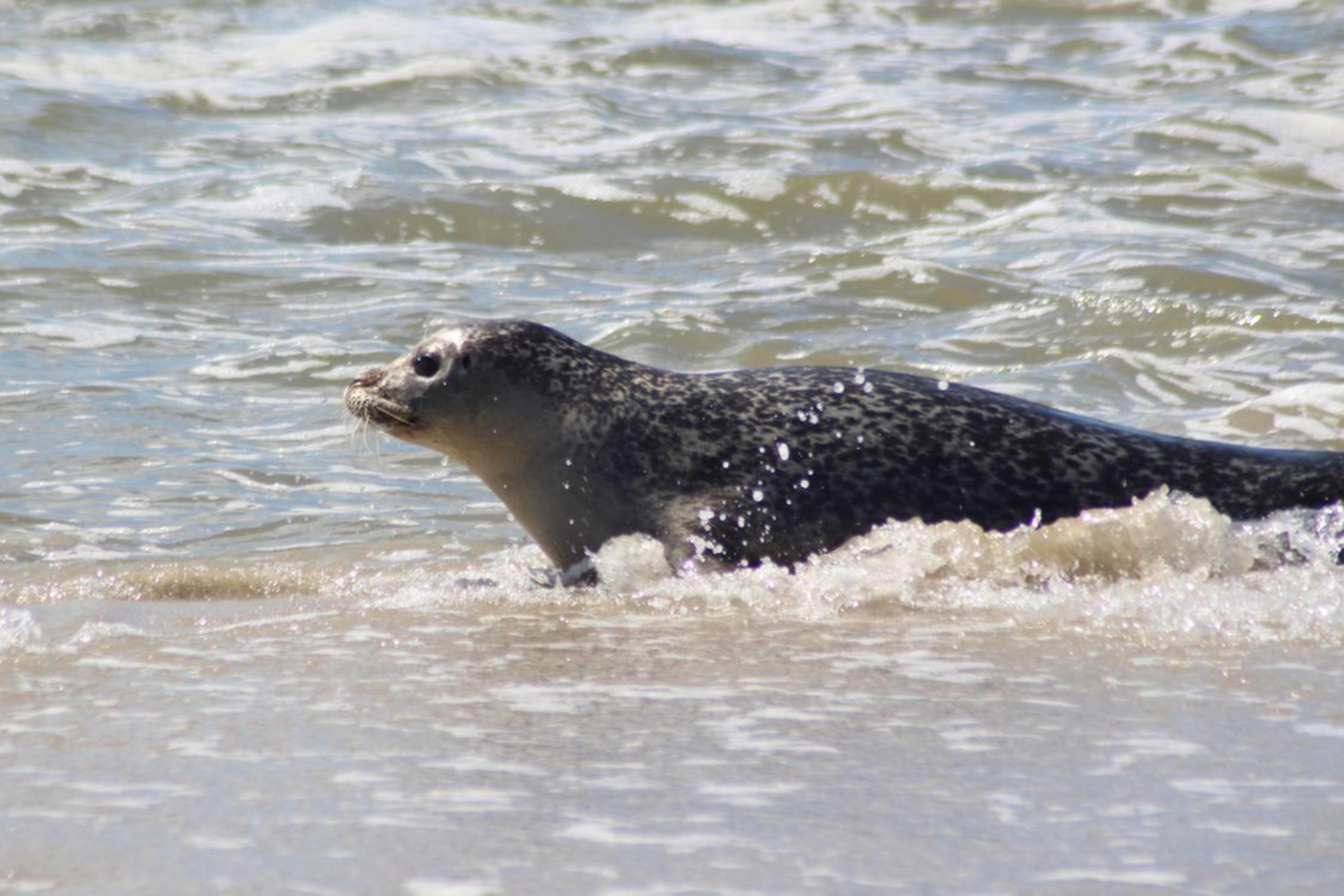
- The largest gray seal colony in the United States pups on the outer Cape and Monomoy. NOAA runs aerial pup surveys each January at Muskeget, Monomoy, Nomans Island and Great Point, plus colonies off mid-coast Maine. The 2021 survey counted 6,469 pups born in U.S. waters — up from 2,620 in 2008 — which gives a sense of how fast the colony has grown.
- The world's worst cold-stun sea turtle event plays out on Cape Cod Bay every fall. The hooked shape of the bay traps juvenile sea turtles — overwhelmingly Kemp's ridleys, the most endangered sea turtle on the planet — when water temperatures crash below 50°F.
- Arctic and sub-Arctic birds that summer in Labrador, Greenland, and Nunavut spend their winter here. Snowy owls, harlequin ducks, razorbills, dovekies, and king eiders are routine winter sightings, not lottery wins.
If you only know the Cape from a July weekend, none of this is on the brochure. It should be.
Gray Seal Pupping: December Through February
The pupping window runs roughly mid-December through early February, peaking the first two weeks of January. Mothers haul out on isolated barrier beaches, nurse for about 17–21 days on milk that is roughly 60% fat, then leave the pup on the sand to figure out the ocean by itself. The white-coated "weaners" you see alone on the beach in late January are not abandoned. They are supposed to be there.
Where to actually see them (without breaking federal law)
- Monomoy National Wildlife Refuge (Chatham) — South Monomoy is the epicenter. The refuge is accessible only by boat; Monomoy Island Excursions and the Beachcomber run winter trips on calm-weather days for roughly $55–$75 per person in 2026.
- Head of the Meadow Beach (Truro) and Race Point (Provincetown) — Walk the wrack line at low tide. You will see hauled-out adults from the dune line. Bring 8x or 10x binoculars; you are not getting closer.
- Chatham Fish Pier — Year-round, but in winter the gray and harbor seals stage in the harbor in the hundreds waiting for scraps off the draggers. Free, paved, accessible.
The 150-foot rule is not a suggestion. The Marine Mammal Protection Act makes it a federal offense to approach or disturb a seal. NOAA's published guidance is 150 feet (about 50 yards — half a football field). Drones are functionally banned over haul-outs. Fines start at $11,000 and rangers do write them. If a pup is alone on the beach and looks healthy (eyes clear, breathing normally, no obvious wounds), leave it. Call the IFAW Marine Mammal Rescue hotline at 508-743-9548 if you genuinely think something is wrong.
Cold-Stunned Sea Turtles: The Wellfleet Bay Phenomenon
This is the wildlife story most visitors have never heard, and it is the one most worth showing up for.
Every fall, juvenile sea turtles that drifted north on the Gulf Stream get trapped inside the hook of Cape Cod Bay. When the water drops below 50°F — usually in the first week of November — their cold-blooded metabolism crashes. They float, paralyzed, and onshore winds blow them up on the beaches of Wellfleet, Eastham, Truro, and Brewster. Without intervention, every single one dies.
Mass Audubon's Wellfleet Bay Wildlife Sanctuary has run the rescue program since 1979. In the 2024 season they recovered roughly 800 turtles — the fourth-busiest season on record, and about 130 more than the year before. The vast majority are Kemp's ridleys, though 2024 also brought an unusually high number of green sea turtles.
Cold-Stun Stranding Season at a Glance
| Stat | 2024 Season Data |
|---|---|
| First strandings | ~Nov 4 |
| Peak weeks | Nov 20 – Dec 15 |
| Total turtles recovered | 882 |
| Kemp's ridleys (%) | ~80% |
| Releases (after rehab) | ~70% survival |
| Cape beaches walked daily | 30+ |
| Hotline | 508-349-2615 x6104 |
How to Help Without Being a Problem
If you walk a north-facing Cape Cod Bay beach between November 1 and January 15 after a northwest wind that has been blowing 15+ knots for 12+ hours, you may find a turtle. Volunteers from Wellfleet Bay walk these beaches at every high tide. You can join them — the sanctuary's volunteer briefings run weekly through November. If you find a turtle on your own:
- Do not put it back in the water. It will die.
- Do not try to warm it. Rapid rewarming kills them.
- Move it above the high-tide line, cover it loosely with dry seaweed, mark the spot, and call the hotline.
The sanctuary triages turtles, then transfers serious cases to the New England Aquarium's Sea Turtle Hospital in Quincy. Public release events happen in late spring; they fill up, but they're free.
The Birds No One Tells You About
The Cape is on the Atlantic Flyway, but in winter it stops being a stopover and becomes a destination. The Outer Cape essentially functions as a winter wildlife refuge for Arctic species.
- Snowy owls — Sandy Neck (Barnstable), Race Point, and Duxbury Beach Reservation. Irruption years (roughly every 4 years; 2024–2025 was a strong one) bring 30+ owls to the region. They sit on dunes in plain sight at midday.
- Harlequin ducks — A small, reliable population winters at the Sandwich jetty, and larger numbers gather at Andrews Point in Rockport, out on Cape Ann — a longer haul (roughly 1.5–2 hours off-Cape) but the premier harlequin spot in the region. The males look painted.
- Razorbills, dovekies, murres — Pelagic alcids that show up close to shore from Race Point Light during onshore gales. The Race Point seawatch from late November through early January, in northeast wind, is the best alcid watching south of Maine.
- Long-tailed ducks, common eiders, all three scoter species — Rafting in the thousands off First Encounter Beach in Eastham and Corn Hill in Truro.
- Bald eagles — Now nesting on the Cape. Reliable winter sightings at Bell's Neck Conservation Area in Harwich and over the Herring River.
Coyotes, Deer, and the Quiet Mammals
Eastern coyotes are denser per square mile on the Cape than in most of New England, and you will hear them at night from any inland town. They're descended from the same wave that recolonized New England in the 1950s and they carry meaningful wolf ancestry — adults run 35–45 pounds, larger than western coyotes. Leashes are not optional after dusk if you have a dog under 25 pounds.
White-tailed deer are everywhere; the herd in the Cape Cod National Seashore is large enough that the Park Service runs a controlled hunt. River otters have rebounded in the Herring River and at Punkhorn Parklands in Brewster. Red fox dens are active by mid-February.
A Practical Winter Wildlife Day
If you only have one winter day and want to see actual animals, this is the route locals run:
- 7:30 AM — Race Point Beach (Provincetown). Sunrise seawatch. Eiders, scoters, gannets, possibly alcids. Park at the lot; the gate is open year-round.
- 10:00 AM — Wellfleet Bay Wildlife Sanctuary. $8 admission for non-members in 2026. Walk the trails, check the turtle ICU window if rescues are active.
- 12:30 PM — Lunch at Mac's Shack or PB Boulangerie (Wellfleet) if they're open, or Liam's at Nauset (Eastham, winter hours vary).
- 2:00 PM — Chatham Fish Pier. Seals in the hundreds, year-round, no admission, no walk required.
- 3:30 PM — Monomoy NWR headquarters/Morris Island. Walk the loop trail at low tide. You can scope South Monomoy from the bluff.
Two Things You Should Not Skip — and One Warning
Don't miss the Wellfleet Bay sanctuary's turtle rescue volunteer orientation. It's free, it runs Saturdays through November, and it's the only way to legally be on the beach with the rescue team during a stranding event. This is the closest thing to participating in active sea turtle conservation that exists on the East Coast.
Don't miss a true northeast-wind seawatch from Race Point Light. Forty knots, sleet, alcids ten feet off the beach. Bring a thermos. This is the Cape at its strangest and best.
The warning: Do not, under any circumstances, post a geotagged photo of a snowy owl, a seal pup, or a stranded turtle on social media in real time. Within hours, the bird gets mobbed by photographers, the pup gets approached by tourists, and the turtle gets "helped" back into the water by someone who saw your post. Share after the animal has moved on, or share the location only at the town level. The wildlife is the point; the post is not.
Beaches & trails in this guide
Gear That Earns Its Spot
Cape Cod Certified picks — essentials worth packing for this trip:
- Hand-Painted Cape Cod Lobster Traps Blown-Glass Ornament — $24: ~3-inch blown-glass ornament reverse-hand-painted with a Cape Cod lobster-trap coastal scene; gift boxed.
- Govee WiFi Thermometer w/ Freeze Alerts — $30: Get a phone alert the moment your Cape house drops toward freezing — the warning that saves burst pipes.
- DampRid Hi-Capacity Moisture Absorber Bucket — $12: Set a few around a shuttered Cape house to pull damp salt air from closed rooms — no power, lasts ~6 months.
Plan it with Cape Cod Certified
Get the best of Cape Cod — free.
Guides, hidden spots, and seasonal tips from people who actually live here.
Frequently asked questions
What should I do if I find a cold-stunned sea turtle on the beach?
Move it above the high-tide line, cover it loosely with dry seaweed, mark the spot and call Mass Audubon's Wellfleet Bay Wildlife Sanctuary at 508-349-2615. Do not put it back in the water and do not try to warm it.
When do gray seals have their pups on Cape Cod?
Gray seal pupping season runs through the winter. Mothers nurse their pups for a few weeks and then leave them on the beach, so a white-coated pup alone in winter is usually not abandoned; it is behaving normally.
How close can you legally get to a seal on the beach?
Federal law prohibits approaching or disturbing seals, and NOAA's guidelines call for keeping a safe distance; check NOAA's current viewing guidance. Violations can bring serious fines, and flying drones low over haul-outs can count as disturbance.
Do snowy owls actually show up on Cape Cod in winter?
Yes. Snowy owls turn up on the Outer Cape in some winters, perching in plain sight on open dunes at spots like Sandy Neck in Barnstable and Race Point in Provincetown. Numbers vary a lot from year to year.