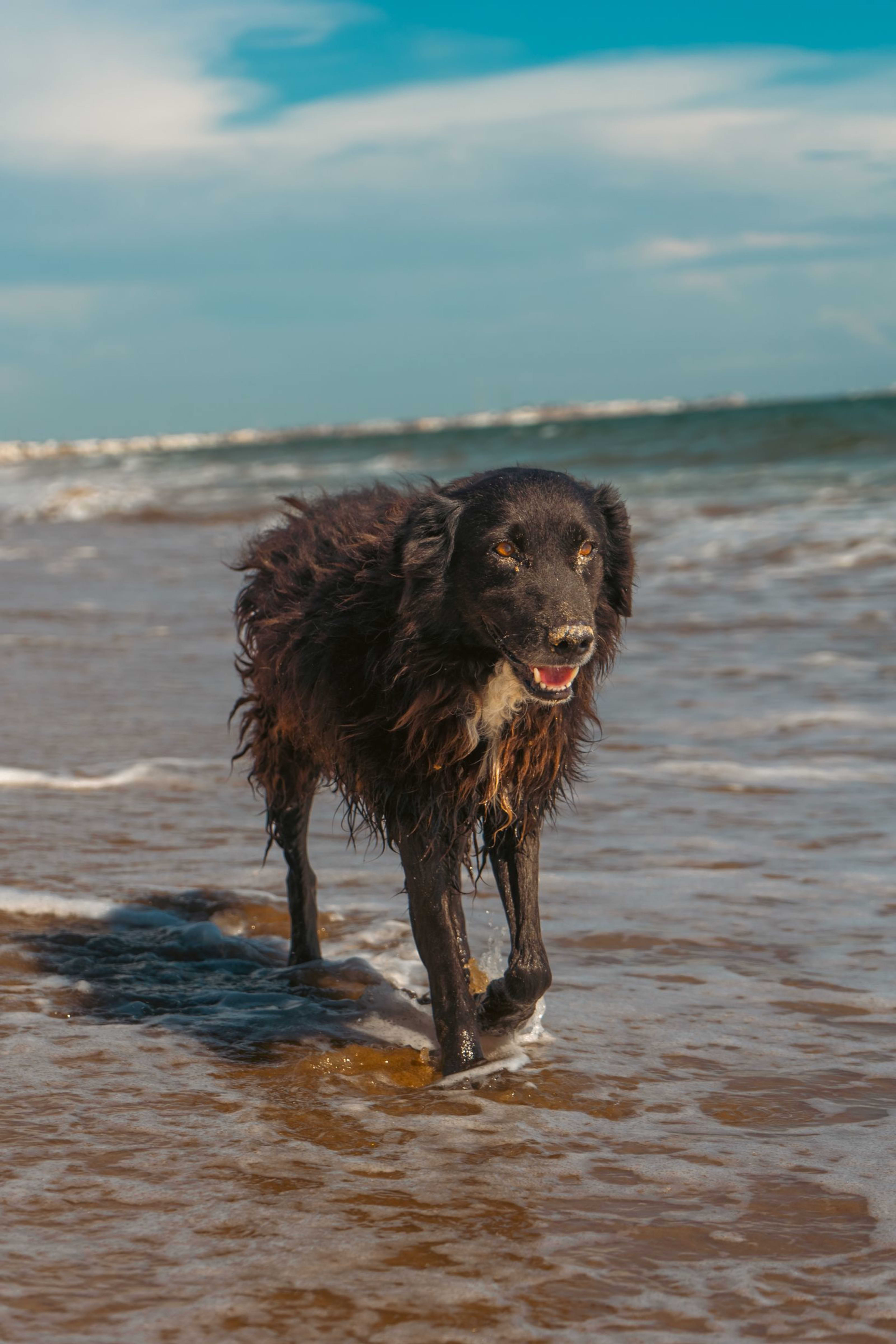
Bringing your dog to Cape Cod is absolutely doable — but the beach rules are more complicated than most visitors expect, and the wrong assumption can ruin your first morning. The short version: most Cape Cod town beaches ban dogs during summer daytime hours (roughly 9am–5pm, mid-May through mid-September), and on the National Seashore, pets are not permitted on lifeguard-protected beaches during the summer, while posted shorebird closures bar them 24/7 (nps.gov/caco). The good news is that the Rail Trail, dozens of conservation trails, early-morning beach windows, and a growing number of pet-friendly hotels make a Cape trip with your dog genuinely great — if you plan ahead.
Why the Rules Are So Confusing (And What Actually Governs Them)
Cape Cod beach access for dogs breaks into two entirely separate systems, and most frustrated visitors conflate them.
Town beaches are controlled by each of the 15 Cape Cod towns individually. There is no unified Cape-wide dog policy. The common in-season pattern (Memorial Day through Labor Day) is dogs banned during peak hours — typically 9am to 5pm — with leashed access permitted before and after. But hours, exceptions, and specific beach rules vary town by town and can change year to year. A beach that allowed dogs before 9am last summer may have adjusted its policy. The only reliable move is a quick check with the town's recreation or beach department before you arrive.
National Seashore beaches operate under National Park Service rules: during the summer, pets are not permitted on lifeguard-protected Cape Cod National Seashore (CCNS) beaches, though leashed pets may pass through those areas to reach places where they are allowed (nps.gov/caco). This includes Coast Guard Beach and Nauset Light Beach in Eastham, Marconi Beach in Wellfleet, Head of the Meadow in Truro, and Race Point and Herring Cove in Provincetown. These are some of the most iconic beaches on the Cape — and your dog cannot join you on the guarded stretches in summer. Posted shorebird closures — recurring April 1 to October 15 at Coast Guard Beach, Nauset Marsh, Jeremy Point, Hatches Harbor and Herring Cove — bar pets 24/7 (nps.gov/caco). The reason is wildlife protection: federally endangered piping plovers and nesting terns require strict limits on disturbance from late spring through late summer.
The over-sand vehicle (OSV) permit corridors near Race Point have separate regulations — confirm the current OSV pet rules with CCNS before planning an OSV trip with your dog.
Dog-Friendly Beaches: Where You Can Actually Go
Given the restrictions, here are the most reliably accessible beach options for dogs:
Town Neck Beach, Sandwich — One of the most consistently cited dog-friendly options on the Cape. This bay-side beach on Cape Cod Bay faces west (calm water, gradual shelf, warm in summer) and has historically welcomed dogs — confirm the current seasonal hours and restrictions directly with the Town of Sandwich before visiting. It is a genuine beach walk, not just a parking lot with sand — worth the research.
Sandy Neck Beach, Barnstable — A barrier beach on Cape Cod Bay with an extensive over-sand vehicle corridor. Dogs are permitted in the OSV area with appropriate permits — confirm current dog and OSV permit requirements with the Town of Barnstable. Sandy Neck is one of the most beautiful beaches on the Cape — six miles of dunes, tidal flats, and bay water — and the OSV permit process, while requiring advance planning, is manageable.
West Dennis Beach, Dennis — Dogs have generally been allowed before 9am and after 5pm in-season — confirm the current policy with the Town of Dennis. This is a long, west-facing bay beach with warm shallow water and reliably spectacular sunsets. Arrive before 8:30am in summer and you will often have a generous stretch of beach to walk with your dog before the crowds and the restrictions both arrive.
Gray's Beach (Bass Hole), Yarmouth Port — This tidal flat area on the bay side is a quieter, low-key alternative — confirm the current dog policy with the Town of Yarmouth. The boardwalk extends over salt marsh and exposed flats at low tide. Even if the dog policy has restrictions, the surrounding area is excellent for a walk.
Off-season access (October–May) — If your schedule has any flexibility, this is the biggest unlock. Dog restrictions drop dramatically across nearly every Cape town outside of summer. Many beaches that ban dogs in July are wide open in October. Cape beaches in the fall are cooler, quieter, and genuinely stunning — and you and your dog may have entire stretches to yourselves.
Always verify directly with the town before driving to a specific beach. A five-minute check saves a frustrating parking-lot discovery.
Dog-Friendly Trails: The Most Reliable Option on the Cape
Trails are where Cape Cod most consistently delivers for dog owners. Most hiking and walking paths on the Cape welcome leashed dogs, and the quality of the walks is high.
Cape Cod Rail Trail — 25 miles of paved multi-use trail running from Dennis through Brewster, Orleans, Eastham, and into Wellfleet. Leashed dogs are welcome the entire length. This is the single most reliable dog-friendly experience on the Cape — no beach rules to navigate, shade through pitch pine and oak forest, and rest stops along the way. Park at the Nickerson State Park trailhead in Brewster or the Dennis trailhead off Route 134. Bring water; shade sections alternate with exposed stretches.
Nickerson State Park, Brewster — Over 8 miles of trails through pitch pine and scrub oak forest surrounding a chain of kettle ponds. Dogs on leash are welcome throughout the park. Dogs are not permitted in lifeguard-supervised pond swimming areas — confirm exact restricted zones with the Department of Conservation and Recreation, but the forest trails are excellent in all seasons and the ponds are beautiful from shore.
Cape Cod National Seashore Trails — The CCNS bans dogs from beaches but explicitly welcomes leashed dogs on all designated hiking trails. Fort Hill in Eastham offers panoramic views over Nauset Marsh and a shaded boardwalk through a Red Maple Swamp — one of the best short walks on the entire Cape. The Beech Forest Trail in Provincetown winds through a rare beech-and-pond environment. The Great Island Trail in Wellfleet is a 4–8 mile loop (depending on tide and route) with sweeping Cape Cod Bay views. These trails are outstanding and largely underused by visitors fixated on the beaches.
Beebe Woods, Falmouth — A 387-acre conservation area with multiple trail loops through mature forest close to downtown Falmouth and Woods Hole. Dogs on leash are a fixture here. Easy to moderate terrain, well-marked, and accessible year-round.
Wellfleet Bay Wildlife Sanctuary, South Wellfleet (Mass Audubon) — Mass Audubon sanctuaries generally do not allow dogs — confirm the current policy with the sanctuary directly before visiting. This is one to confirm before making the drive.
Pet-Friendly Hotels and Lodging on Cape Cod
Pet-friendly accommodation on the Cape is more available than many visitors expect, though fees and restrictions vary significantly.
Red Jacket Beach Resort, South Yarmouth — Established resort property on the south side with a documented pet policy — confirm current pet fees and any size or breed restrictions before booking.
Chatham Bars Inn, Chatham — Landmark oceanfront property that has historically accommodated pets — confirm the current policy and fee structure by calling the property directly. This is a premium property — their pet program is typically well-organized but worth confirming.
Snug Cottage, Provincetown — Boutique inn in P'town with a well-regarded pet-friendly track record. Provincetown is one of the most dog-tolerant communities on the Cape culturally — dogs are a regular presence on Commercial Street and many restaurant patios.
Vacation rentals (Airbnb / VRBO) — For a week-long Cape trip with a dog, filtering for pet-friendly vacation rentals is realistically the most practical approach. You get a yard, more space, and avoid per-night hotel pet fees. Many Cape rental properties explicitly welcome dogs, particularly those set back from the water. Always ask specifically about pet fees (typically $25–75/night or a flat cleaning fee), breed and size restrictions, and whether outdoor space is fenced or unfenced.
Practical Tips Before You Go
Ticks are a genuine concern. Deer ticks carrying Lyme disease are prevalent across Cape Cod, particularly in brushy and wooded areas along the Rail Trail and conservation land. Keep your dog on a vet-recommended tick prevention protocol and do a thorough tick check after every trail walk.
Seals and dog safety. Gray seals haul out on outer beaches near Chatham, Nauset, and throughout the Outer Cape. Keep your dog well back from any seal on shore — seals will bite if approached, and a dog investigation gone wrong means a veterinary emergency in an area where the nearest 24-hour emergency animal hospital may be a considerable drive away — identify the nearest emergency vet before your trip.
Piping plover nesting areas. The Cape's dunes contain federally protected piping plover nesting sites from April through August. Dogs in these areas cause serious documented harm to an endangered species. Respect all posted closures without exception.
Surf and swimming safety. Atlantic-side surf can be powerful, particularly on the Outer Cape. Cape Cod Bay (west side) is far calmer and better for dogs that enjoy swimming — shallow, warm, and wave-free at most bay beaches.
Sand management. Your dog will become a sand-delivery system for the rest of the trip. Bring a rinse bucket or identify beach rinse stations at trailhead parking areas before you arrive.
Beaches & trails in this guide
- West Dennis Beach, Dennis →
- Marconi Beach, Wellfleet →
- Coast Guard Beach, Eastham →
- Town Neck Beach, Sandwich →
- Nauset Light Beach, Eastham →
- Sandy Neck Beach, West Barnstable →
- Great Island Trail, Wellfleet →
- Cape Cod Rail Trail (Dennis), Dennis →
- Beebe Woods, Falmouth →
- Beech Forest Trail, Provincetown →
Planning a Cape Cod trip with your dog takes a bit more research than a typical vacation, but the payoff is real: early-morning bay beaches, 25 miles of paved trail, and some of the best conservation walking in New England. Explore our Cape Cod local directory for vetted listings — pet-friendly stays, local outfitters, and the certified businesses that make the Cape worth the trip.
Don't Leave Without
Cape Cod Certified picks — essentials worth packing for this trip:
- MalsiPree Portable Dog Water Bottle — $15: One-handed, leak-proof bottle with a built-in bowl that recycles unused water back into the bottle. Under six ounces and ready for every boardwalk, trail, and dune walk.
- Sun Bum Mineral SPF 30 Sunscreen Lip Balm — $4: Zinc-based broad-spectrum lip protection with vitamin E; reef-safe.
From Reading to Doing — Start Here
Get the best of Cape Cod — free.
Guides, hidden spots, and seasonal tips from people who actually live here.
Frequently asked questions
Can I bring my dog to Cape Cod National Seashore beaches?
Not during the summer: pets are not permitted on lifeguard-protected Cape Cod National Seashore beaches in summer, though leashed pets may pass through to reach areas where they are allowed, and posted shorebird closures bar pets 24/7 (nps.gov/caco). The summer restriction covers Coast Guard Beach, Nauset Light Beach, Marconi Beach, Head of the Meadow, Race Point, and Herring Cove. The restriction exists to protect federally endangered piping plovers and nesting terns.
Are dogs allowed on Cape Cod beaches in summer?
Most Cape Cod town beaches ban dogs during summer daytime hours, but exact rules vary by town and can change year to year. Many allow leashed access before and after peak hours. Because there is no unified Cape-wide policy, check with the specific town's beach or recreation department before you go.
Can dogs go on Cape Cod National Seashore hiking trails?
Yes — while dogs are restricted on CCNS beaches, they are explicitly welcome on all designated CCNS hiking trails on a leash. Standout options include Fort Hill in Eastham, the Beech Forest Trail in Provincetown, and the Great Island Trail in Wellfleet.
Is the Cape Cod Rail Trail dog-friendly?
Leashed dogs are welcome along the entire length of the Cape Cod Rail Trail, making it the most consistently accessible dog-friendly option on the Cape. The paved trail runs from Dennis through Brewster, Orleans, Eastham, and into Wellfleet, passing through pitch pine and oak forest with rest stops along the way.
Do Cape Cod hotels allow dogs?
Pet-friendly accommodations are more available on the Cape than many visitors expect, ranging from boutique inns to established resorts. Fees, size restrictions, and breed policies vary significantly by property, so confirm the current pet policy directly before booking. For a week-long stay, filtering for pet-friendly vacation rentals is often the most practical approach.