Cape Cod's standing as one of the Atlantic coast's premier fishing destinations has a specific, measurable cause. The peninsula sits at the convergence of two major ocean currents: the cold Labrador Current pushing down from the north, and the warm Gulf Stream surging up from the south. Where they meet, they create a thermocline extraordinarily rich in bait fish.
What You Can Catch
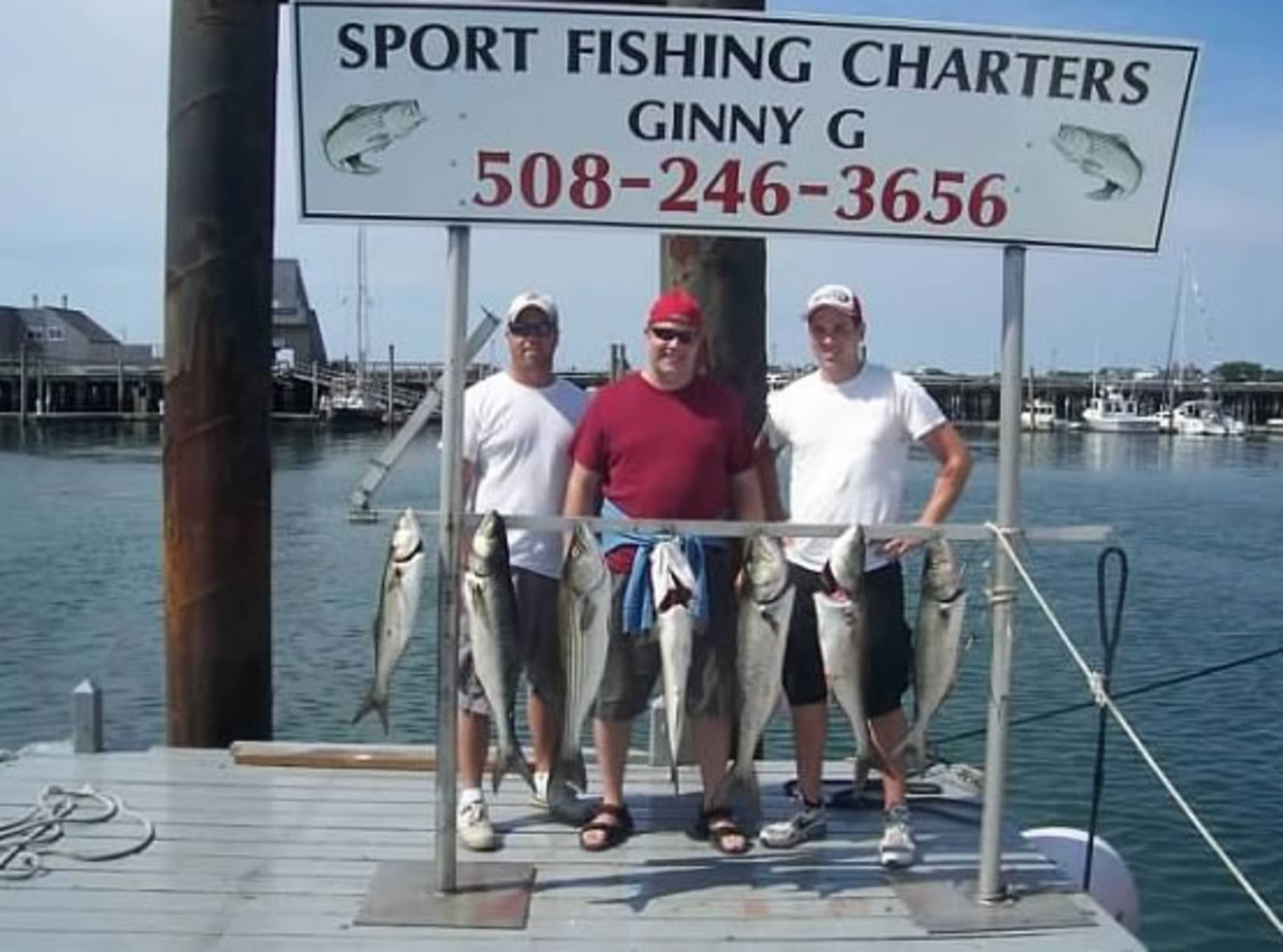
Striped Bass
The iconic Cape Cod fish. Migrate north from Chesapeake and Hudson River spawning grounds, arriving in May and staying through November. The Canal and Nauset Beach are legendary striper venues. Season: May–November.
Bluefish
Ferocious fighters arriving in June, staying through September. Hit surface plugs, metal spoons, and cut bait with equal aggression. Season: June–September.
Fluke (Summer Flounder)
Flatfish worked on bucktail jigs just above the bottom. Inshore rips between Chatham and Monomoy are especially productive. Excellent eating. Season: May–September.
Scup (Porgy)
Abundant, easy to catch, good eating. Ideal beginner or family species. Sandwich and Bourne town piers are reliable spots. Season: June–October.
Tautog (Blackfish)
Structure fish — inhabit jetties, rocky piers, submerged boulders. Best September–November when water cools.
False Albacore
One of the most electrifying shore-fishing species on the Atlantic coast. Arrive in September and October off Monomoy. Season: September–October.
Bluefin Tuna
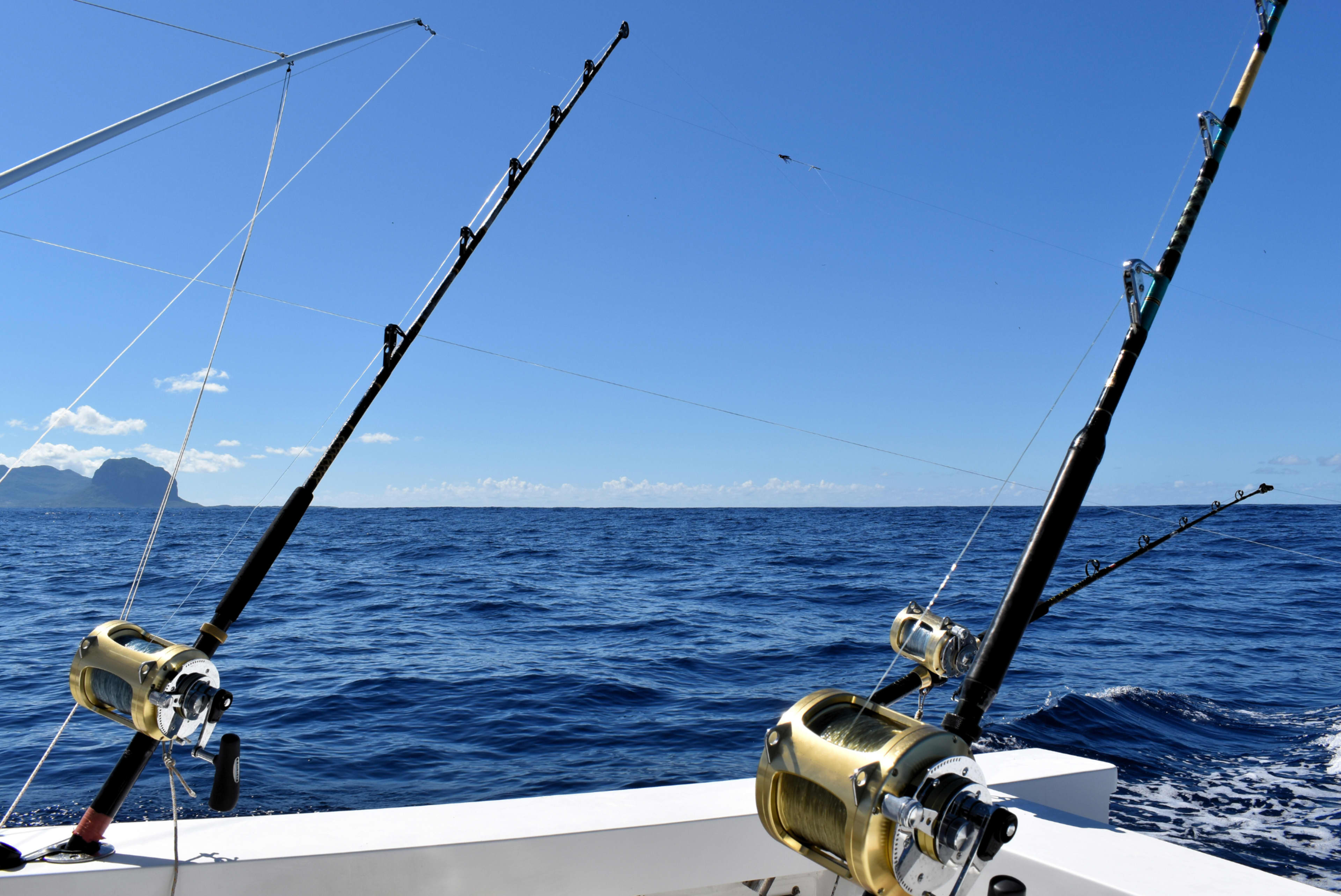
Giant bluefin (400–1,000+ lbs) work Stellwagen Bank and offshore canyons. Requires full-day offshore charter. Season: June–October.
Best Shore and Pier Spots
Cape Cod Canal — Bourne and Sandwich
The most famous shore-fishing location in New England. The US Army Corps maintains paved service roads on both banks giving free public access to the full 17-mile waterway. Striped bass peaks at night on a moving tide.
Race Point Beach — Provincetown
Access to the Cape Cod rip where bay and ocean currents collide. Big stripers and bluefish work both sides.
Nauset Beach and North Beach — Orleans and Chatham
Has produced some of the largest striped bass ever caught from shore in Massachusetts.
Sandwich Town Pier
Maintained public pier with reliable summer action for scup, tautog, and occasional stripers.
Bourne Town Pier
Buzzards Bay side of the Canal entrance. Scup in summer; tautog in September–October.
Licenses and Permits
A Massachusetts Recreational Saltwater Fishing Permit is required for anyone 16 or older. It is free and available at mass.gov.
Charter Boats
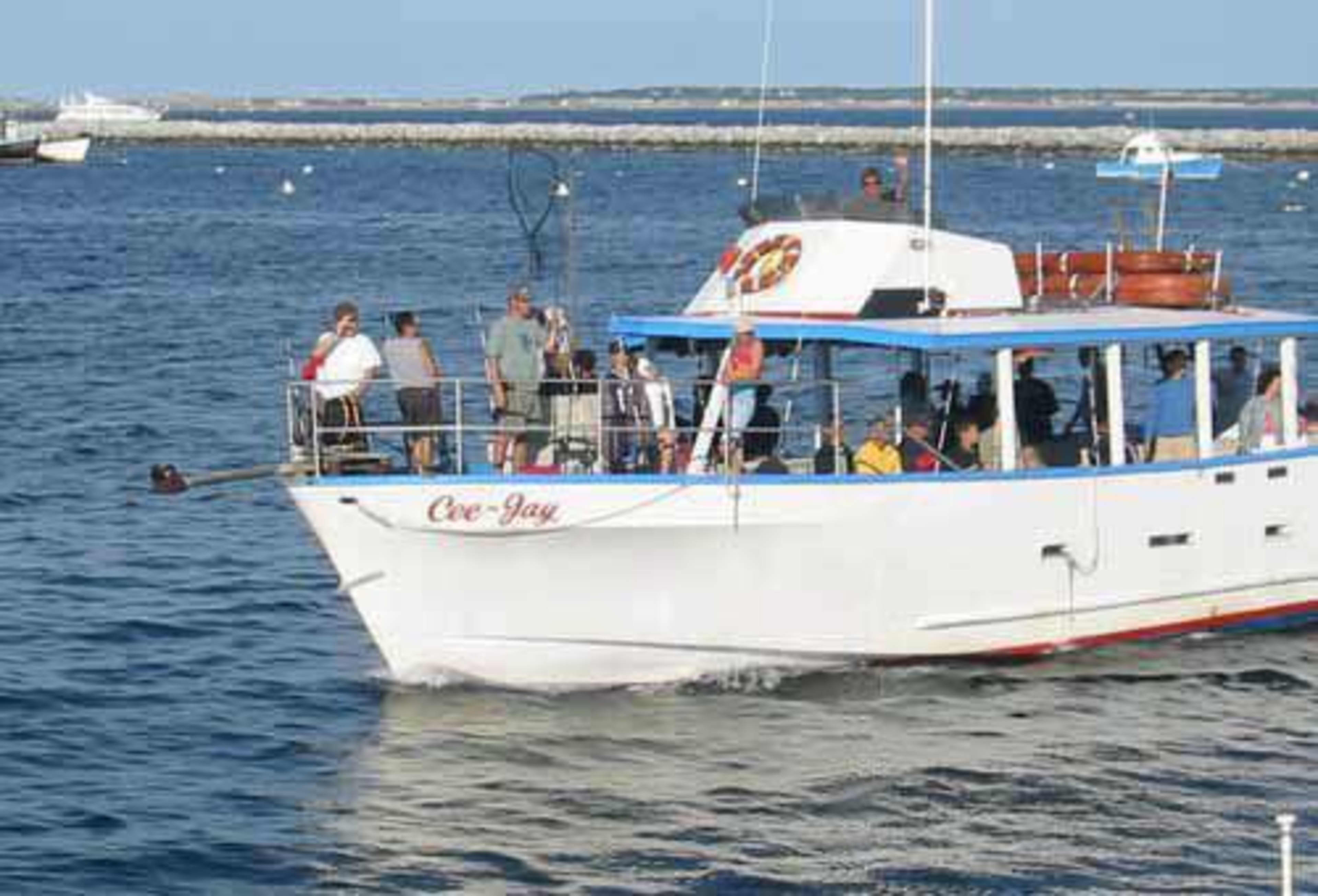
Operations concentrate in Provincetown, Chatham, Orleans, Hyannis, and Sandwich. Half-day bottom fishing (4–5 hrs), full-day inshore (6–8 hrs), and full-day offshore (10–12 hrs) for bluefin tuna. Book ahead for summer weekends.
Beaches & trails in this guide
Don't Leave Without
Cape Cod Certified picks — essentials worth packing for this trip:
- MalsiPree Portable Dog Water Bottle — $15: One-handed, leak-proof bottle with a built-in bowl that recycles unused water back into the bottle. Under six ounces and ready for every boardwalk, trail, and dune walk.
- Sun Bum Mineral SPF 30 Sunscreen Lip Balm — $4: Zinc-based broad-spectrum lip protection with vitamin E; reef-safe.
Before You Go: The Certified Shortlist
Get the best of Cape Cod — free.
Guides, hidden spots, and seasonal tips from people who actually live here.
Frequently asked questions
Do I need a fishing permit for saltwater fishing on Cape Cod?
Yes, if you are 16 or older. Massachusetts requires a recreational saltwater fishing permit, available through mass.gov; anglers fishing aboard a permitted charter or party boat are exempt. Confirm current requirements on the site before your trip.
When do striped bass arrive on Cape Cod?
Striped bass migrate north from spawning grounds in the Chesapeake and Hudson River, typically arriving in spring and staying into the fall. The Cape Cod Canal and Nauset Beach are well-known striper spots.
Where can I fish from shore without a boat on Cape Cod?
The Cape Cod Canal has public access along both banks and is one of the region's best-known shore-fishing spots. Other reliable options include Race Point Beach in Provincetown and Nauset Beach in Orleans.
What saltwater fish are easiest to catch for beginners?
Scup, also called porgy, are a good beginner and family species: abundant, easy to catch and good eating. They are most active in the summer months.
Can you catch bluefin tuna off Cape Cod?
Yes, but not from shore. Giant bluefin tuna work offshore grounds such as Stellwagen Bank and require a full-day offshore charter, which run from several Cape harbors. Book ahead for summer weekends.