The Shot Most Photographers Miss
The best wildlife photograph taken on Cape Cod this year probably happened at 6:15am on a Tuesday at the Wellfleet Bay Wildlife Sanctuary — not at Race Point, not at the Chatham fish pier. The species worth targeting here are not the ones on postcards. Seals sleep. Shorebirds move. The photographers who consistently walk away with usable frames know exactly where to stand, when to arrive, and how to read the tides. This guide is built from that kind of knowledge.
Cape Cod sits at the intersection of two major flyways and hosts some of the most accessible wildlife in the northeastern United States. The challenge is not finding animals — it is getting close enough, at the right light, without flushing everything in a 200-meter radius.
The Four Best Locations for Wildlife Photography
Wellfleet Bay Wildlife Sanctuary (Mass Audubon)
Why it matters: This 1,100-acre sanctuary off Route 6 in South Wellfleet is the single most productive site on the Outer Cape for shorebirds and wading birds. The salt marsh trail system puts you within 30–50 feet of great blue herons, snowy egrets, glossy ibis, and — during migration — dozens of shorebird species that pause on the mudflats.
Parking and access: The main lot is off West Road, Wellfleet. Admission fee applies for non-Mass Audubon members; check current rates at the sanctuary before arriving. Trails open at dawn year-round.
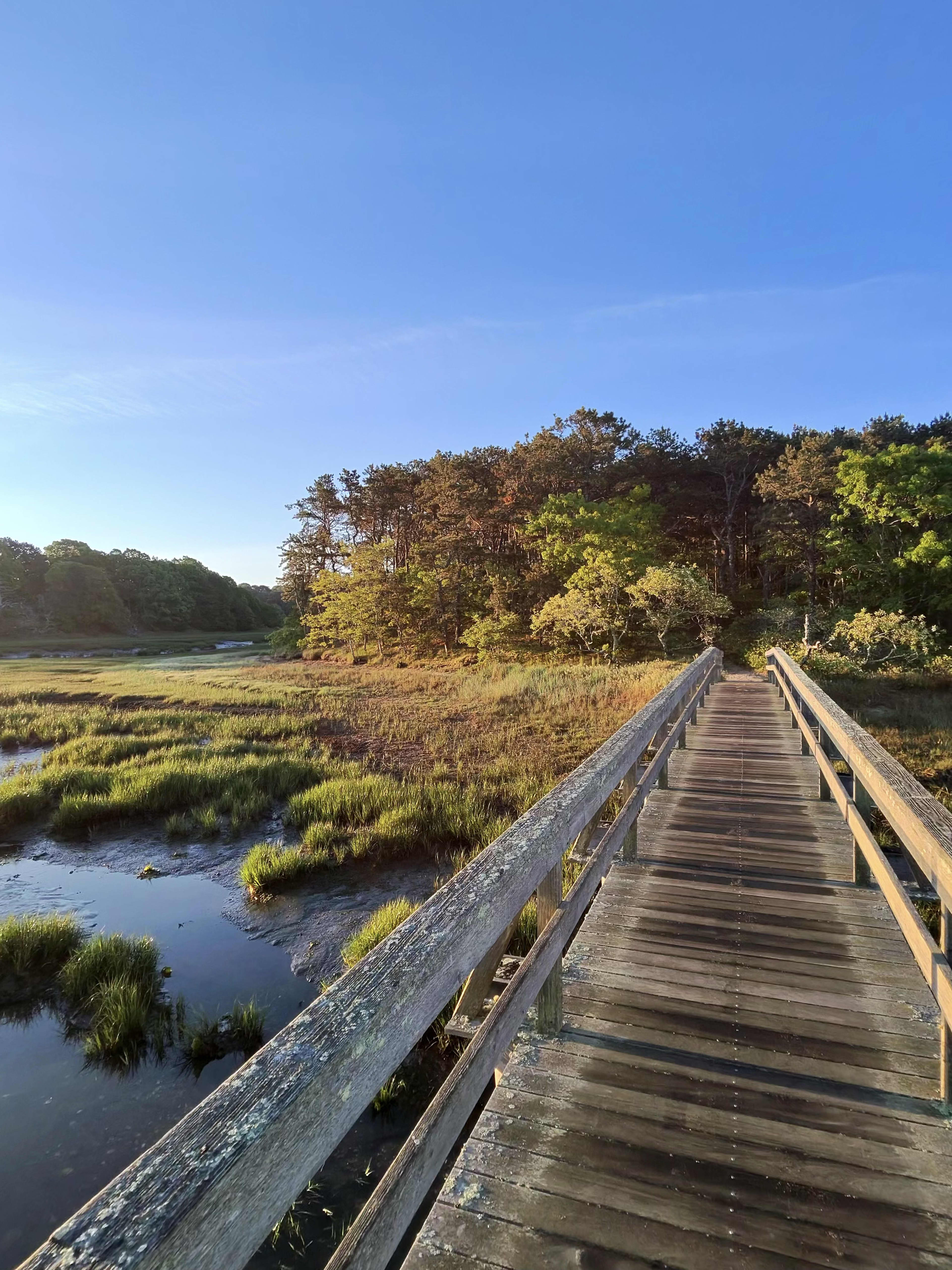
What to shoot: During August and September migration, the Goose Pond Trail delivers shorebird concentrations that rival anything on the East Coast. Yellow-legs, dunlin, semipalmated sandpipers, and pectoral sandpipers all appear in numbers. The salt marsh boardwalk section gives you a low-angle shooting platform that most photographers overlook — get below the birds, not above them.
Tidal timing is everything here. An incoming tide pushes shorebirds off the mudflats and concentrates them in tight groups near the marsh edges. Shoot 90 minutes before high tide. At low tide, the birds spread out across hundreds of meters of exposed flat and you will be chasing distant specks.
Local tip: The wooden observation blind near Goose Pond is functional but gets direct afternoon backlight. Position yourself on the east side of the pond in the morning for front-lit birds against the water.
Cape Cod National Seashore — Eastham to Provincetown
The National Seashore covers 40 miles of protected coastline and interior, with different zones yielding very different subjects.
Nauset Marsh (Eastham): Access via the Salt Pond Visitor Center on Route 6 in Eastham, or the Fort Hill area off Governor Prence Road. The Fort Hill overlook puts you above Nauset Marsh at eye level with osprey in season (April through September). Two or three active osprey nests are visible from the trail; a 400mm lens or longer gets you frame-filling shots without any disturbance.
Parking: Fort Hill has a free lot that fills early on summer weekends. Arrive before 7am or after 4pm to guarantee a space.
Wellfleet to Truro dunes: The Atlantic White Cedar Swamp Trail in Wellfleet (off Marconi Beach Road) runs through habitat where barred owls are regularly reported. This is a morning walk — owls become active at dusk and dawn. Do not use playback calls; the population here is under acoustic pressure from too many birders.
Race Point (Provincetown): The Province Lands — the northernmost tip of the Cape — is the primary location for watching hawk migration in October and for photographing northern gannets, razorbills, and common eiders offshore. The Province Lands Visitor Center has a rooftop observation deck. From late October through December, scan offshore for alcids. A spotting scope plus a digiscoping adapter is more practical than a long lens for ocean birds at Race Point.
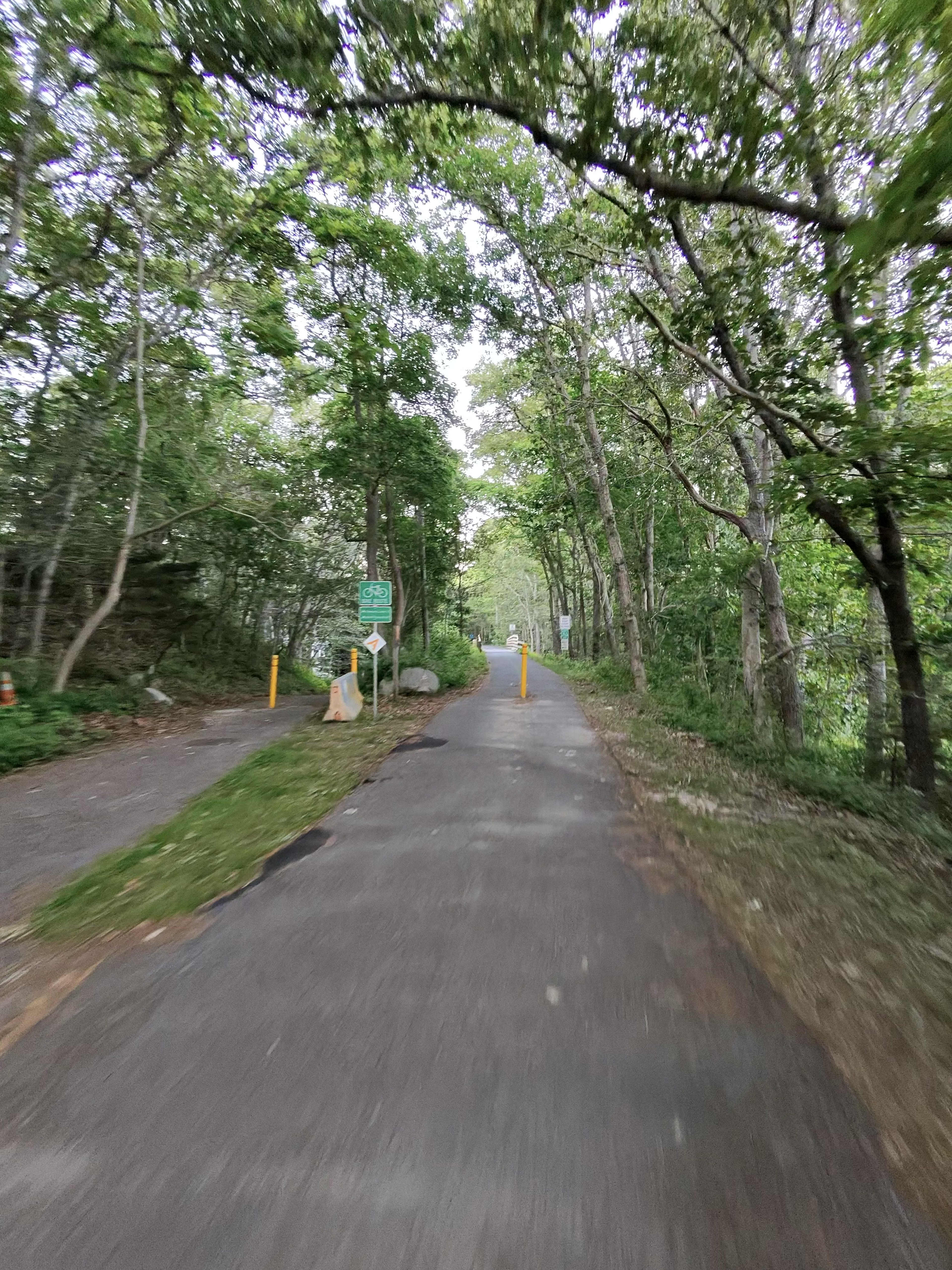
Parking: Race Point Beach lot charges a fee in season (National Parks pass accepted). The Province Lands Bike Trail (Cape Cod Rail Trail) provides access without the parking fee if you are coming from Provincetown center.
Chatham Fish Pier and South Beach
No location on Cape Cod offers more reliable gray seal and harbor seal photography than the Chatham Fish Pier area. Seals haul out on the outer bars visible from Shore Road — but the real opportunity is South Beach and the outer barrier.
The pier itself: Working fishing boats unload catch here daily. The combination of fish scraps, shallow water, and boat traffic draws harbor seals within yards of the pier in fall and winter. A 70–200mm lens is enough from the pier railing. Arrive at dawn before the boat activity drives the seals down.
South Beach (the barrier island): Access via a ferry from Chatham Lighthouse Beach — check the Outermost Adventure ferry schedule for current seasonal operation. This outer beach is where gray seals haul in numbers from November through March. The colony at the southern tip numbers in the hundreds during peak pupping season (January–February). Maintain the federally required 150-foot distance from hauled-out seals. A 500mm or 600mm lens shoots comfortably at this distance.
North Chatham marsh system: The impoundments along Stage Harbor Road attract ducks and wading birds in fall. Buffleheads, scaup, and hooded mergansers mix with lingering great blue herons. Light is best in the morning shooting southeast.
Provincetown and the Province Lands
Provincetown is the landing point for migrant raptors crossing Cape Cod Bay in fall. From late September through November, sharp-shinned hawks, Cooper's hawks, merlins, and occasional peregrine falcons concentrate over the dunes before crossing. Hawk Ridge at the Province Lands (accessible by foot from the Beech Forest parking lot off Race Point Road) is the local hotspot — it does not have an official name on trail maps, but birders know the sandy rise above the forest.
Beech Forest: The freshwater ponds here hold wood ducks in fall and the forest edges attract migrant warblers at levels that can overwhelm a photographer in a good October. Walk slowly. Wait. The birds move to you.
Long Point: The end of Provincetown harbor, accessible by a seasonal ferry or a two-mile walk along the jetty from the West End. The point itself is critical habitat for Roseate and Common terns during nesting season (June–July). Do not approach the nesting colony — shoot from the north end of the spit with a 400mm or longer.
When It's at Its Best
Wildlife photography on Cape Cod is genuinely four-season activity, but the windows are very different.
August–September: Peak shorebird migration. Wellfleet Bay is the priority target. Snowy owls have not arrived yet; piping plovers are done nesting (the beach ropes come down).
October–November: Raptor migration peaks. Seal numbers build on the outer bars. Waterfowl move through Chatham marshes. Northern harriers hunt the Provincetown dunes daily. This is arguably the highest-diversity period for serious photographers.
December–February: Gray seal pupping season at South Beach, Chatham. Snowy owls appear in open habitat — Provincetown Airport area, Nauset Beach parking lots, and the highlands around Highland Light in Truro. Short-eared owls hunt the Race Point dunes at dusk. Fewer crowds, dramatic winter light.
April–May: Osprey return in early April. Piping plover nesting begins (some beach sections close — respect the fencing). Shorebird northbound migration runs through May.
June–July: Tern nesting colonies are active. Whale-watching vessels out of Provincetown (Dolphin Fleet and others) give you humpbacks, fin whales, and minke whales within range of a 400mm lens — plan for a minimum 3-hour offshore excursion.
What to Bring
Lens choices
- Minimum for birds: 400mm f/5.6 or equivalent. The 100–500mm zooms are the current standard for working photographers on a budget.
- Seals at Chatham outer beach: 500–600mm. You cannot legally get close; reach is not optional.
- Wading birds at Wellfleet Bay marsh: A 300mm f/4 or 100–400mm covers most situations — the birds here get close.
- Owls: A fast aperture matters more than maximum focal length. f/4 at 500mm outperforms f/6.3 in pre-dawn light.
Other gear
- Tripod or gimbal head: Essential for long lenses. The Wellfleet Bay boardwalk is narrow; a monopod is more practical there.
- Bean bag: For shooting from a vehicle on Stage Harbor Road or Shore Road — seals and shorebirds tolerate cars better than standing humans.
- Rubber boots or waterproof trail shoes: The Fort Hill marsh trail floods. Plan for wet feet if you are there after rain.
- Tide chart: Download the NOAA tide prediction app for the Wellfleet or Chatham station before any marsh visit. Do not guess.
- Bug repellent: Salt marsh in July. Do not learn this the hard way.
Species Worth Targeting
| Species | Best Location | Best Window |
|---|---|---|
| Gray seal | South Beach, Chatham | Nov–Feb |
| Harbor seal | Chatham Fish Pier | Oct–Mar |
| Snowy owl | Provincetown Airport, Nauset | Dec–Feb |
| Short-eared owl | Race Point dunes | Nov–Jan at dusk |
| Piping plover | Nauset Beach, Coast Guard Beach | Apr–Jul (stay outside ropes) |
| Snowy egret | Wellfleet Bay marsh | May–Sep |
| Glossy ibis | Wellfleet Bay marsh | May–Sep |
| Humpback whale | Stellwagen Bank (boat only) | Apr–Oct |
| Common tern | Long Point, Provincetown | Jun–Jul |
| Osprey | Fort Hill, Nauset | Apr–Sep |
| Peregrine falcon | Race Point, Provincetown | Sep–Oct |
Rules and Ethics
- No drone use over National Seashore beaches or above wildlife. NPS regulations prohibit drone launches within the Seashore. This is actively enforced.
- No playback calls at Mass Audubon sanctuaries and discouraged throughout the Seashore during nesting season.
- 150-foot federal buffer around all hauled-out seals. MMPA violations carry civil penalties that can run well into five figures (fisheries.noaa.gov).
- Piping plover nesting areas are roped and signed from April onward. Entering roped sections carries a federal fine and can trigger full beach closures.
- Mass Audubon sanctuary admission: Required for access to Wellfleet Bay trails. Members get free entry. Non-members pay a day-use fee — check the sanctuary website for current pricing before arrival.
Beaches & trails in this guide
Plan Your Cape Cod Wildlife Experience
Cape Cod Certified has researched and field-verified dozens of experiences, guides, and local outfitters across the towns covered here. Browse the CCC directory for whale watch operators, kayak tour companies that access marsh wildlife from the water, and naturalist-led programs running out of Eastham, Wellfleet, and Provincetown. If you are planning a multi-day shoot, the Wellfleet and Chatham town guides cover logistics, lodging, and dining to anchor your stay. Come with a long lens, a tide chart, and early mornings — the Cape rewards preparation.
Gear That Earns Its Spot
Cape Cod Certified picks — essentials worth packing for this trip:
- MalsiPree Portable Dog Water Bottle — $15: One-handed, leak-proof bottle with a built-in bowl that recycles unused water back into the bottle. Under six ounces and ready for every boardwalk, trail, and dune walk.
- Sun Bum Mineral SPF 30 Sunscreen Lip Balm — $4: Zinc-based broad-spectrum lip protection with vitamin E; reef-safe.
Where to Take This Next
Get the best of Cape Cod — free.
Guides, hidden spots, and seasonal tips from people who actually live here.
Frequently asked questions
When is the best time to photograph shorebirds on Cape Cod?
August and September are the peak window at Wellfleet Bay Wildlife Sanctuary, where migration brings dozens of shorebird species to the mudflats. Plan to arrive about 90 minutes before high tide — an incoming tide concentrates birds near the marsh edges rather than spreading them across open flats.
How close can you legally get to seals at Chatham?
The Marine Mammal Protection Act makes it illegal to disturb seals, and federal guidance is to keep well back from hauled-out animals. At South Beach, a long telephoto lens lets you fill the frame from a respectful distance.
Can you fly a drone at Cape Cod National Seashore?
No — NPS regulations prohibit launching drones within the National Seashore, including over beaches and above wildlife, and this rule is actively enforced.
Where do snowy owls show up on Cape Cod in winter?
Snowy owls appear in open habitat from December through February, with the Provincetown Airport area, Nauset Beach parking lots, and the highlands near Highland Light in Truro being the reported locations. Fewer crowds and dramatic winter light make this a productive season for owl photography.
Do you need a membership to visit Wellfleet Bay Wildlife Sanctuary?
Non-members pay a day-use admission fee to access the sanctuary trails; Mass Audubon members are admitted at no charge. Check the sanctuary website for current pricing before you go, as rates can change.