Race Point Beach sits at the very tip of Cape Cod — the last landmass before open Atlantic — and on a clear morning you can watch humpback whales breach from the shoreline without binoculars. That single fact tells you everything about how far off the beaten path this beach sits, and why the drive out here is worth every mile.
Managed by the Cape Cod National Seashore, Race Point is both a federally protected wilderness and one of the most visually dramatic beaches in New England. The dunes here run 50 to 80 feet high. The light is extraordinary. The crowd, even in August, thins out fast once you walk 10 minutes in either direction from the main lot.
Getting to Race Point Beach
Race Point Road runs about 1.5 miles northwest off Route 6 at the tip of Provincetown. The access road ends at the Race Point Beach parking area, managed by the National Park Service.
From Provincetown center: About 2.5 miles by car, roughly 7 minutes. The road is well-marked.
From Hyannis: Approximately 55 miles north on Route 6 — plan 60 to 75 minutes depending on summer traffic.
By bike: Race Point Road is bikeable, and the Province Lands Bike Trail connects the parking area to Provincetown center through the dunes. It is a genuine experience — rolling pavement through a stark, treeless dunescape. Allow 20 to 30 minutes each way.
By ferry + foot or bike: The Provincetown Fast Ferry from Boston docks in P-town. From the pier, Race Point is reachable by bike, taxi, or the Provincetown Shuttle (check current schedule with the Provincetown Transit Authority).
Parking
The Race Point lot charges a National Seashore fee. The daily vehicle rate is $25, collected during the fee season from late May through mid-September (nps.gov/caco). An America the Beautiful annual pass covers entry — strong value if you plan to visit multiple National Seashore beaches. The lot is large but fills by 10am on summer weekends. Arrive before 8:30am or after 4pm to guarantee a space.
There is a smaller overflow lot, but it fills too. No parking on Race Point Road itself — rangers will ticket.
The Beach Itself
Race Point faces northwest, which does two important things: it gives you a different light angle than most Cape Cod beaches (better for afternoon photography) and it catches a consistent southwest breeze that keeps the air moving even on hot July days.
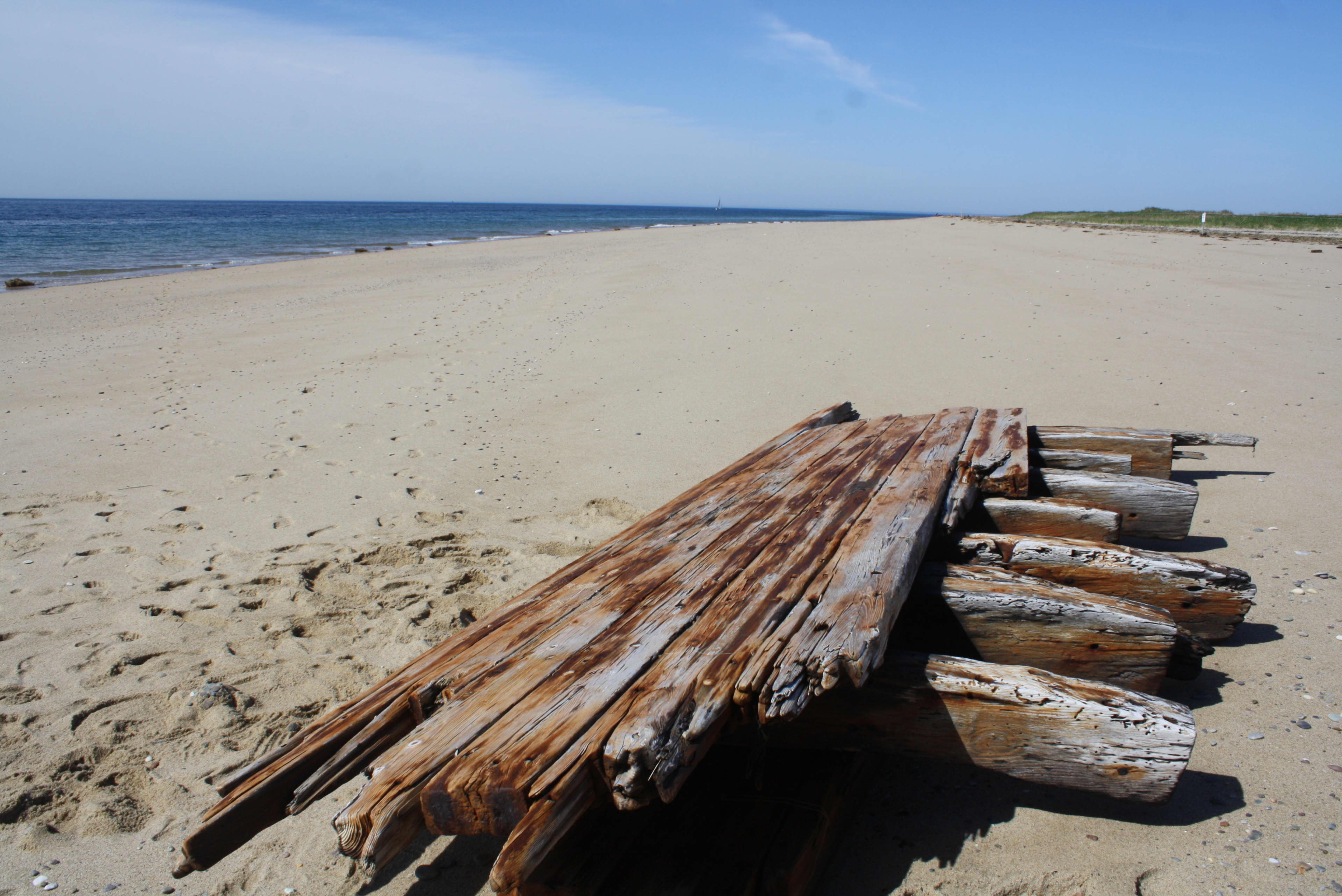
The beach runs for miles in both directions. To the east it eventually connects — after a very long walk — to Herring Cove Beach. To the west it becomes true wilderness, accessible only on foot or by licensed over-sand vehicle (OSV). No facilities beyond the main lot area.
Surf: Race Point sees real Atlantic swells. On southwesterly wind days, waves build to 3 to 5 feet with irregular sets. There is no lifeguard at Race Point — the NPS posts a flag system (green/yellow/red/purple), and red-flag days here mean serious water. Do not underestimate the rip current potential.
Sand: The sand is coarser than the bay-side beaches, and the beach profile is steep right at the waterline. Water temperature runs cold — high 50s in June, low-to-mid 60s by August, which is warm enough for a swim if you commit to it.
Dogs: Allowed on-leash year-round. No restrictions during the summer season, unlike some other NPS beaches.
Whale Sightings from Shore
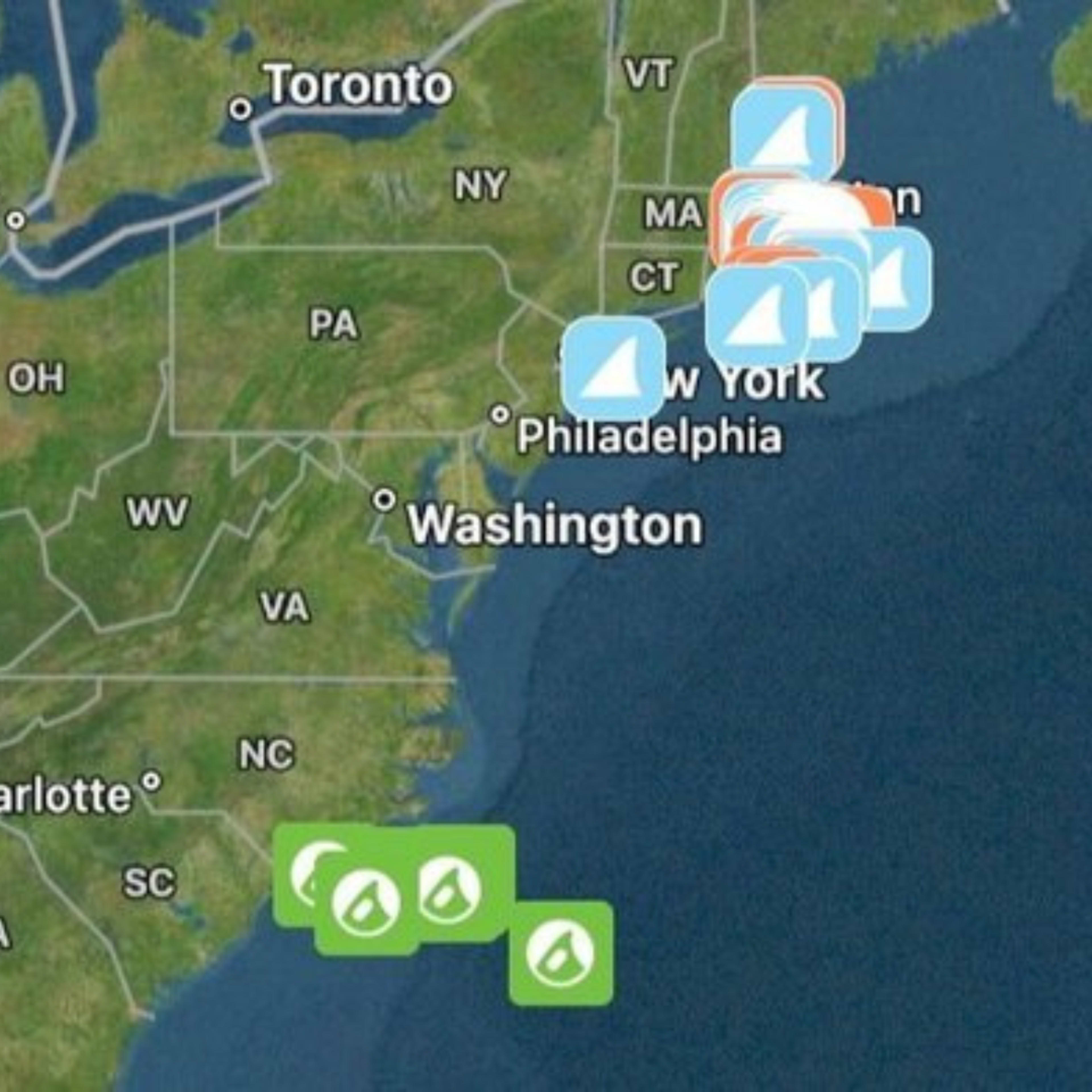
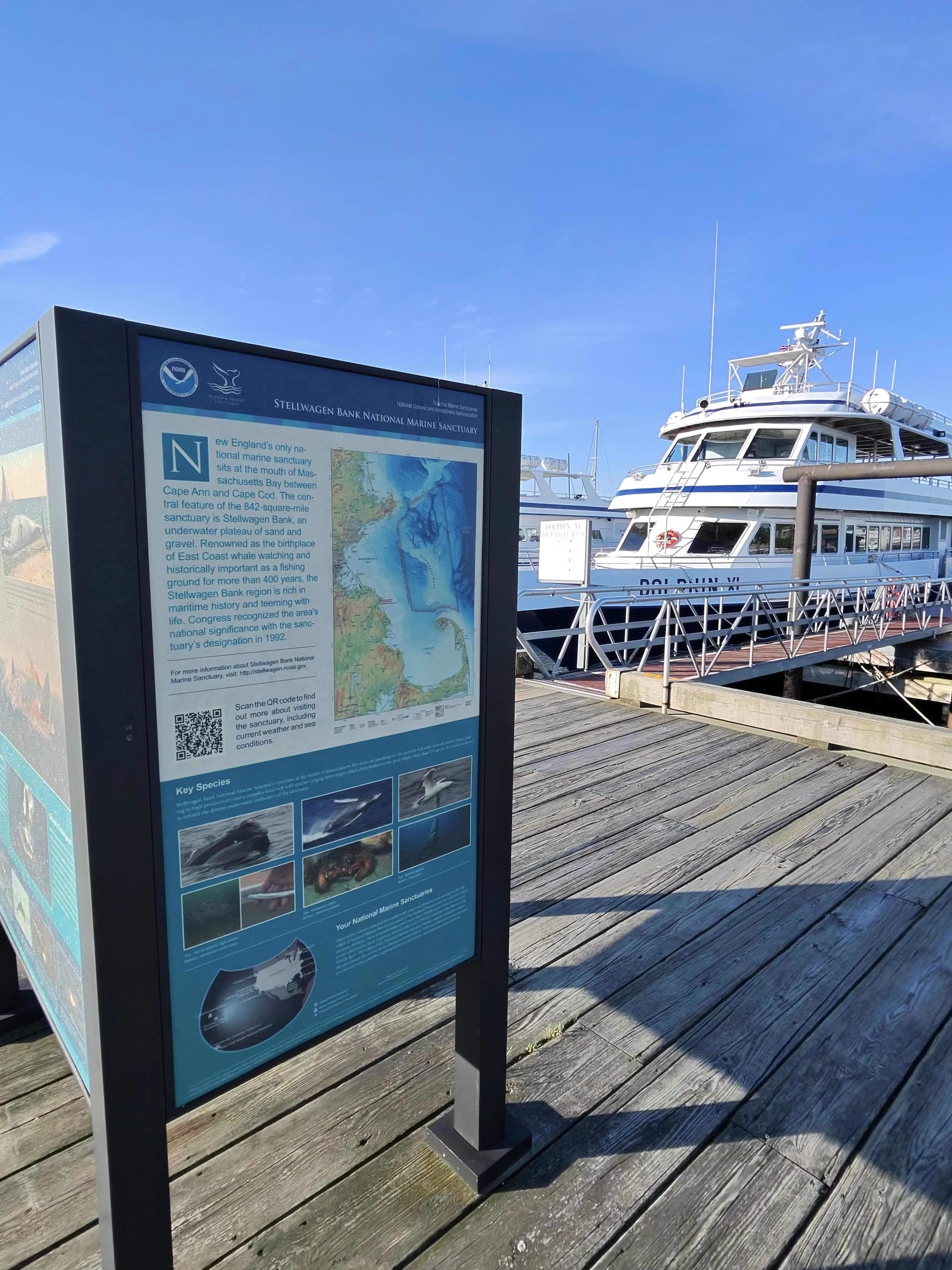
This is not marketing language. The Stellwagen Bank National Marine Sanctuary begins just a few miles offshore from Race Point — it is one of the most productive whale feeding grounds on the East Coast, and humpbacks, finbacks, and minkes work the waters close to the tip of the Cape throughout the season.
From late June through October, scanning the water at Race Point with binoculars will produce whale sightings on most days. Humpbacks breach and fluke-slap. Finbacks are harder to see but their blow is unmistakable. The best conditions: calm seas, overcast sky (less glare), morning or late afternoon.
Timing: Peak whale activity near shore typically runs late July through September, when sand lance (a small bait fish) concentrate inshore. Early morning, before boat traffic builds, is when you are most likely to see whales close to the beach itself.
What to bring: 8x42 or 10x42 binoculars make a real difference. The whales can be 200 meters from shore or 2 miles out — glassing the horizon systematically is more productive than scanning randomly.
If you want a guaranteed sighting and a closer look, the whale watch boats out of Provincetown MacMillan Pier run daily trips from April through October. Provincetown whale watch trips take you directly to Stellwagen Bank, where encounters are reliably close. But watching a humpback breach from a quiet beach at sunrise, with no boat engine noise, is its own experience.
Sunrise at Race Point
Race Point faces northwest, which sounds like a sunrise problem until you understand the geometry: at the tip of the Cape, the beach curves enough that the eastern horizon is visible from the northern end of the parking area. Local photographers know this.
More practically: sunrise light hits the dunes on the east side of the access road in spectacular fashion, regardless of where you stand. The Province Lands dunes glow orange-pink at first light. The beach itself is nearly always empty at 5:30am — you will often be the only person there.
Practical sunrise logistics
- Check sunrise time before you go (it runs from 5:05am in late June to 6:20am by early September)
- The gate on Race Point Road opens at 6am in summer (verify current NPS hours — it occasionally changes)
- If you arrive before the gate opens, you can park just outside and walk in — it is less than a mile from the gate to the beach
The combination of empty beach, dramatic dune light, cold Atlantic water, and occasional whale activity at dawn makes a Race Point sunrise swim genuinely memorable. The water will take your breath away. That is part of it.
When It's at Its Best
By Season
Late September through October: The best kept secret at Race Point. Crowds drop 80% after Labor Day but the ocean is at its warmest (upper 60s), whales are actively feeding close to shore, and the light turns golden-hour quality for hours at a time. This is the local favorite window.
July and early August: Peak season. The beach is beautiful but the parking lot fills early. Arrive before 9am or plan to use the bike trail. Water is swimmable, whale activity is strong.
June: Water is cold (high 50s), crowds are manageable, and the NPS piping plover nesting closure may restrict access to the eastern stretch of beach — check current NPS closure maps before you go. The plovers nest in the wrack line and the closures are strictly enforced.
Off-season (November through April): The beach is open, free, and extraordinary in a completely different way. Winter storms reshape the dunes. Harbor seals haul out on the beach in numbers. Bring layers and wind protection — the exposed tip of the Cape in January is a different planet.
By Time of Day
- Before 9am: Empty parking lot, low angle light, best whale scanning conditions
- 10am to 2pm: Peak crowd window on summer weekends; waves often best for bodysurfing
- After 4pm: Crowd thins, afternoon light on the dunes, surf often kicks up again
The Old Harbor Life-Saving Station
At the east end of Race Point Beach stands the Old Harbor Life-Saving Station, a National Historic Landmark originally built in 1897 on Nauset Beach and barged around the Cape to its current location in 1978.
The NPS opens the station for free ranger-led demonstrations on Thursday evenings in summer (check current NPS schedule — times vary). The Lyle gun beach apparatus cart demonstration shows how the old rescue crews reached ships in distress. It is worth timing your visit around it if you are staying in P-town.
Over-Sand Vehicle Access
Race Point is one of the few Cape Cod National Seashore beaches with legal over-sand vehicle access. The NPS issues OSV permits for the beach, allowing licensed 4WD vehicles to drive beyond the main beach area onto the remote Race Point strand and toward Wood End.
Permit requirements: Annual or weekly OSV permit from the NPS; vehicle must be 4WD with appropriate deflated tire pressure; shovel and tow strap required; specific corridor rules apply. Permit numbers are capped — check the NPS site well in advance, especially for summer weekends.
OSV access opens up truly remote camping and fishing territory. Striped bass and bluefish surf fishing is productive from the OSV corridor during spring and fall runs. Check current NPS regulations, as the piping plover nesting season restricts OSV access to portions of the beach from April through mid-August.
Province Lands Visitor Center
About a mile before Race Point Beach, the Province Lands Visitor Center is worth a 15-minute stop, especially on your first visit. The observation deck gives you an aerial perspective on the scale of the dune system and a clear view toward Race Point. The rangers can tell you current surf conditions, plover closure maps, and whale activity reports.
What to Bring
- Water: There is a water fill station in the main lot, but bring your own. The sun exposure here is intense.
- Binoculars: For whales, seals, and shorebirds.
- Wind layer: Even in August, Race Point runs 5 to 10 degrees cooler and windier than town.
- Cash or card for parking fee: The kiosk accepts both.
- Reef-safe sunscreen: Required by NPS environmental guidelines.
- Swim fins (optional): The surf here is real; fins help bodysurfers significantly.
Nearby in Provincetown
Race Point is 10 minutes from Provincetown center, which gives you easy access to everything the town offers after a morning at the beach.
- MacMillan Pier: Whale watch departure point, ferry terminal, fishing boats
- Commercial Street: The full length of Provincetown's main drag — galleries, restaurants, the Post Office Café for post-beach fuel
- Herring Cove Beach: The calmer, bayside alternative about 2 miles south — warmer water, more families, better for young kids
- Provincetown dining and food guide: For where to eat after
Practical FAQ
Q: Is Race Point Beach safe for swimming? A: It can be, but it requires judgment. There is no lifeguard on duty. The NPS flag system is reliable — swim only on green or yellow flag days. The surf is real Atlantic ocean with genuine rip current risk. Strong swimmers comfortable in surf will find it exhilarating. If you have young children or are not a confident swimmer, Herring Cove Beach on the bay side is a much better choice.
Q: Can I really see whales from the beach? A: Yes — this is one of the few beaches in the country where shore-based whale watching is legitimately productive. The best months are August through October. Bring binoculars and scan the horizon patiently. Calm mornings give the best visibility.
Q: How crowded does Race Point get? A: Busy by Cape Cod standards in July and August, but never as crowded as Nauset Light or Coast Guard Beach. The beach is long enough that walking 10 to 15 minutes from the lot puts you in near-solitude. The lot itself fills by 10am on weekends.
Q: Is the parking fee waived with a National Parks pass? A: Yes. The America the Beautiful Interagency Annual Pass covers vehicle entry. If you visit any National Seashore beach more than twice a summer, the pass pays for itself.
Q: What is the piping plover situation? A: The NPS closes sections of Race Point Beach to pedestrians (and OSVs) during plover nesting season, typically April through mid-August. The closures move depending on nest locations each year. Check the current NPS Cape Cod National Seashore closure map before you go — rangers enforce these strictly.
Race Point is the kind of place that recalibrates your sense of what a beach can be. It takes a little more effort to reach than most Cape Cod beaches, and that effort is exactly why it still feels like discovery when you get there. The whale on the horizon, the empty dunes at 6am, the cold Atlantic on your chest — this is what the Cape Cod National Seashore was protected to preserve.
Browse the Cape Cod Certified directory for Provincetown whale watch operators, bike rentals near the Province Lands trail, and vetted local guides to help you make the most of your time at the outer Cape.
Beaches & trails in this guide
What Locals Pack
Cape Cod Certified picks — essentials worth packing for this trip:
- MalsiPree Portable Dog Water Bottle — $15: One-handed, leak-proof bottle with a built-in bowl that recycles unused water back into the bottle. Under six ounces and ready for every boardwalk, trail, and dune walk.
- Sun Bum Mineral SPF 30 Sunscreen Lip Balm — $4: Zinc-based broad-spectrum lip protection with vitamin E; reef-safe.
Who We Trust in Provincetown
Cape Cod Certified recommends these verified local spots:
- 361 Coffee & Espresso Bar — 4.6★ (268 Google reviews)
- John's Foot Long — 4.3★ (175 Google reviews)
- The Yoga Joint — 5★ (127 Google reviews)
- Lobster Pot — 4.8★ (10006 Google reviews)
From Reading to Doing — Start Here
Get the best of Cape Cod — free.
Guides, hidden spots, and seasonal tips from people who actually live here.
Frequently asked questions
Can you actually see whales from Race Point Beach?
Yes — the Stellwagen Bank feeding grounds sit just offshore, and from late June through October you can spot humpbacks, finbacks, and minkes from the shoreline on most days. Bring binoculars and scan the horizon on calm mornings for the best visibility.
Is Race Point Beach safe for swimming?
It can be, but there is no lifeguard on duty and the surf carries genuine rip current risk. Follow the NPS flag system and only swim on green or yellow flag days. If you have young children or are not a confident swimmer, the calmer bay-side Herring Cove Beach nearby is a much better choice.
What is the best time of year to go to Race Point Beach?
Late September through October is the locals' favorite window — crowds thin significantly after Labor Day, the ocean reaches its warmest temperature of the season, and whales are actively feeding close to shore. July and early August are also beautiful but the parking lot fills early on summer weekends.
Can I bring my dog to Race Point Beach?
Yes — dogs are allowed on-leash year-round at Race Point with no summer restrictions, which sets it apart from some other National Seashore beaches.
How do I get to Race Point Beach without a car?
The Province Lands Bike Trail connects Race Point directly to Provincetown center through the dunes — a distinctive ride through a stark, treeless dunescape. You can also reach Provincetown by ferry from Boston, then continue to Race Point by taxi or the Provincetown Shuttle; check the Provincetown Transit Authority for current schedules.