Winter Birding on Cape Cod: Snowy Owls, Sea Ducks & the Season Serious Birders Love
If you've spent a summer week on Cape Cod ticking shorebirds and warblers, you already know the peninsula punches well above its weight as a birding destination. What you may not know yet: winter is when the place gets genuinely strange, in the best possible way. The birds that arrive between November and March — or irrupt unpredictably from the Arctic — are nothing like the familiar summer cast. Snowy owls on open dunes. Eiders rocking in the surf. Harlequin ducks on spray-soaked rocks. Alcids emerging from the fog after a nor'easter. This is the season serious birders plan trips around.
Why Cape Cod Draws Winter Birds — and Winter Birders
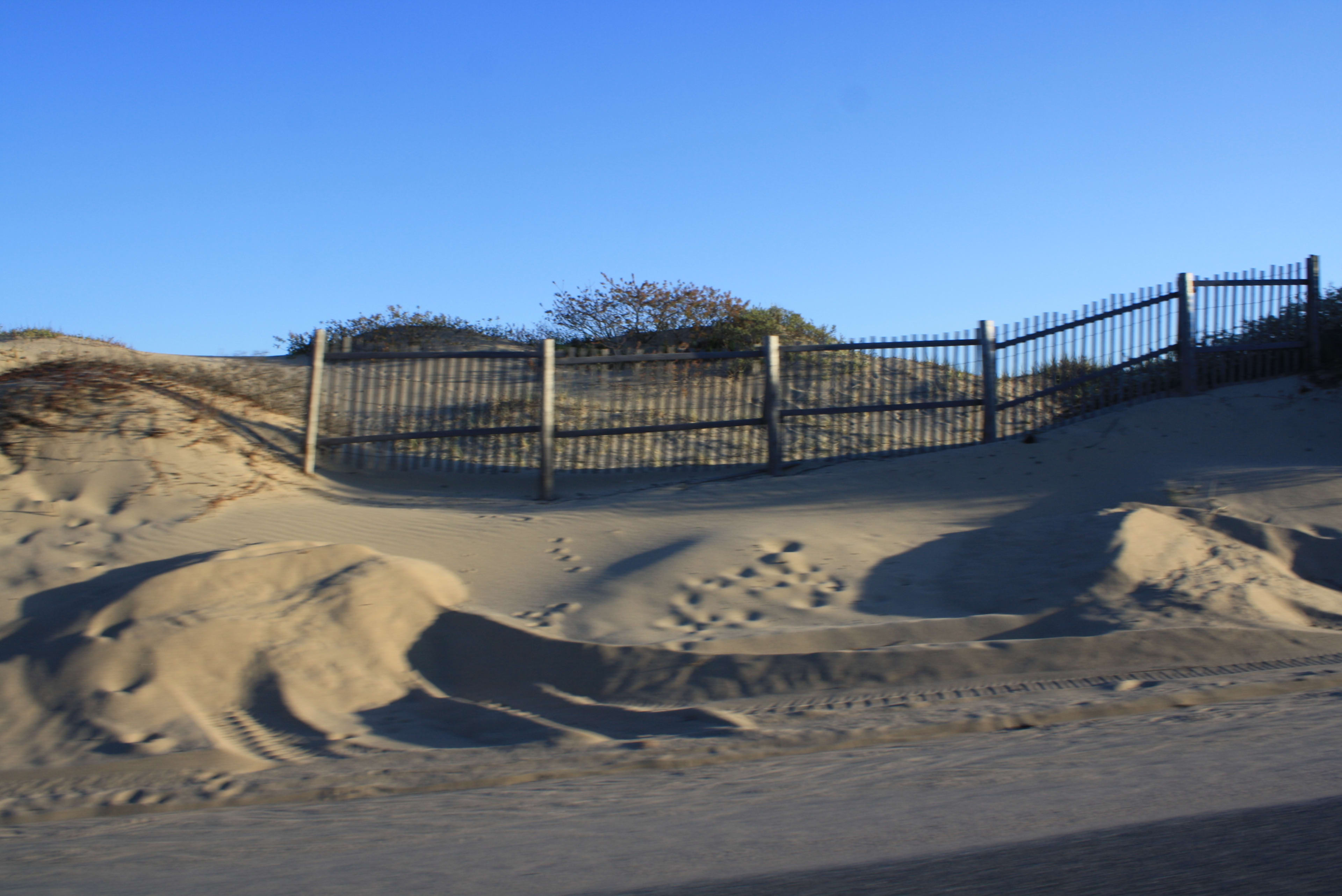
Cape Cod's geography does most of the work. The Outer Cape — from Nauset south and north to Race Point — projects into open Atlantic water and acts as a funnel for anything moving down the coast. Ocean currents keep nearshore water warm enough to hold baitfish through winter, which means diving ducks and alcids stay within optics range of the beach. The outermost beaches also resemble treeless tundra: flat, open, scoured by wind. That habitat is exactly what a snowy owl from Baffin Island or Nunavut recognizes as home.
The deep winter calendar on Cape Cod is most unpredictable in the best sense. You never quite know what will show up. That's the point.
The Snowy Owl Phenomenon
Some winters, snowy owls appear on Cape Cod in numbers that make national birding news. Other winters, you can search for weeks and see nothing. The phenomenon that produces good years is called an irruption — a periodic southward movement of owls from Arctic breeding grounds — and whether it happens, and how strongly, varies dramatically from year to year. No one can reliably forecast an irruption winter in advance.
What experienced Cape birders know is that when owls do come, the Cape's outer beaches and large open expanses are among the best places in the Northeast to find them. Snowy owls favor habitat that mirrors tundra: broad, flat, largely treeless. Race Point and the Province Lands dunes have historically hosted owls during irruption years, as have large open beach parking areas, golf course edges, and airfield-adjacent open ground. The owls typically perch on the ground, on dune crests, on low beach fencing, or on driftwood — at a distance, a white lump on the horizon that, when your scope locks onto it, turns into something extraordinary.
Early winter arrivals can appear before the holiday crowds have thinned; midwinter birds tend to be more settled into a territory; by late February, surviving owls are often preparing to move north again. There are no guaranteed locations. Check eBird for the current season, verify sightings are recent, and go with the understanding that these are wild animals on their own schedule.
The Ethics Section — Read This Before You Go
This is not optional reading. A snowy owl wintering on Cape Cod is already under stress. It has traveled hundreds of miles. It is burning energy reserves every hour. It is hunting in compressed daylight — and it needs to catch enough prey to survive until it can make the return journey north.
When you approach too closely, the owl flushes. That flush costs calories it cannot easily replace. When it happens repeatedly — because a dozen photographers followed you from the parking lot — the bird may abandon an otherwise productive hunting territory. An owl that leaves good habitat mid-winter because humans pushed it out is in real danger.
Keep real distance. More distance than feels necessary. If the owl is turning its head to watch you, you are already too close. If it leans forward or bobs its head, back up immediately. Use a long lens or a quality spotting scope. The photographs you get at proper distance are better anyway — a bird that hasn't noticed you behaves naturally.
Never bait an owl. Placing a live or dead mouse near an owl to trigger a hunting response for photographs is unethical and may be illegal depending on circumstances. It is practiced by people who know better. Don't be one of them.
Never flush an owl intentionally. A bird in flight is not a better photo — it is an animal you have harassed into spending energy it needed for survival.
Consider not posting exact locations publicly. More on this below.
A snowy owl on a Cape Cod dune in January is not scenery. It is a wild animal with a genuine survival problem. Treat it accordingly.
Sea Ducks: The Ocean Beach Spectacle
You don't need an irruption year to have a memorable winter birding day on Cape Cod. The sea ducks are here reliably, and in variety that surprises even experienced coastal birders.
Common eiders are the workhorses of Cape Cod winter birding — large, heavy-bodied, dressed in stark black and white (males) or dense brown (females), rafting offshore in numbers that can be substantial. A scope pointed at any eider raft is worth the effort; these flocks frequently hold other species mixed in.
Long-tailed ducks whistle and chatter offshore. The males' calls — a yodeling sound that carries over surf — are one of the signature sounds of an Outer Cape winter morning. Black, surf, and white-winged scoters all winter in Cape Cod waters, often mixing in single flocks where a careful scan separates the three species. Buffleheads and common goldeneyes work harbor shallows.
Harlequin ducks are a legitimate winter target, though they tend toward rockier habitat — jetties, riprap, wave-washed boulders where they dive in surging water. They are among the most striking sea ducks anywhere, and finding one working a jetty in raw winter light is a birding memory that stays with you. Jetty mouths at harbor entrances are worth checking on any winter trip.
Surf and tide conditions matter. Dawn, incoming tide, and an offshore or calm wind push birds closer to shore and make scope work possible.
Alcids: The Storm-Chasers' Reward
After a significant nor'easter, the alcid situation changes in a way that makes storm-watching on the Outer Cape genuinely worthwhile. Thick-billed murres, razorbills, and dovekies get pushed closer to shore — sometimes onto the beach itself. A walk along the Atlantic-facing beach on the morning after a storm can produce a dovekie resting above the wrack line, grounded temporarily by weather.
Common murres are less frequent but have appeared. The point is not to promise specific sightings but to explain why experienced Cape birders build nor'easter aftermath into their winter calendars. The exposure that makes the Outer Cape uncomfortable to stand on in a storm is exactly what delivers rare birds to accessible range when it passes.
Scan from elevated positions when wind allows. Parking areas at Race Point in Provincetown and pull-offs along the outer beach access roads offer elevation and long sight lines without requiring you to stand fully in surf exposure.
Where to Focus Your Time
The Cape Cod birding site guide covers specific locations in detail — consult it before any trip. In general terms, winter birding concentrates in a few zones:
Outer Cape beaches — Race Point, Herring Cove, Nauset, Coast Guard Beach — combine ocean exposure, dune habitat, and the open-field character that snowy owls recognize. These are your primary winter targets.
Harbor mouths and jetties — scoters, eiders, and rafting waterfowl shelter in the lee of breakwaters. Harlequins, when present, work these structures. Any jetty mouth is worth a deliberate scope scan.
Wellfleet and Eastham ponds — freshwater habitat within the National Seashore draws buffleheads, goldeneyes, mergansers, and occasionally diving ducks unexpected this far from the ocean.
Outer beach parking lots — genuinely. Snowy owls have used them. Horned larks work the edges constantly in winter. Snow buntings and Lapland longspurs appear in open sandy areas after cold fronts. Walk the perimeter slowly before you set up your scope on the water.
The broader Cape birding guide gives you the full site picture, including freshwater and wooded locations worth pairing with ocean beach mornings.
For context on the other wildlife sharing these same outer beaches — gray seals hauled out on sandbars, the occasional sea turtle stranding in cold water — the Cape Cod winter wildlife guide covers that season comprehensively.
Gear for Cape Cod Winter Wind
The Cape's winter weather is not brutal in the way that inland mountain cold is brutal, but the wind is relentless and the damp cuts through layers that would be adequate elsewhere.
Optics: A quality spotting scope is not optional for sea duck identification or owl work at responsible distance. A tripod heavy enough to hold stable in sustained wind is worth the weight — a light travel tripod that works fine in summer becomes useless on a January beach. For binoculars, field of view and optical brightness in flat winter light matter more than close-focus performance.
Clothing: Wind-stopping outer layers over insulating mid-layers. Neoprene or balaclava face protection for extended time on the exposed Outer Cape beach in deep winter. Waterproof footwear — the upper beach is wet even when it isn't raining. Hand warmers for extended scope sessions where you're standing still for long periods.
Planning: Check the forecast before choosing locations. East-facing beaches in a strong onshore wind are miserable and limit your ability to hold a scope steady. Position on a lee shore when possible, then move to the exposed beach for your best observation window around first light.
eBird, Local Clubs, and the Sensitive Location Question
eBird is the right tool for researching current sightings before a Cape Cod winter birding trip. Filter to recent reports, look at hotspot lists for specific beaches and ponds, and see what other observers have been finding this week versus this month. The Massachusetts Audubon Society's local chapters and Cape-based birding clubs maintain listservs and channels where sightings circulate faster than eBird is updated — worth subscribing to before your trip.
On sharing sensitive locations: the birding community has an active conversation about when it's appropriate to post exact coordinates for rare or sensitive species, and snowy owls are a point of real tension. A broad post on social media or eBird with a parking lot name reliably produces exactly the crowds that stress owls.
The recommendation here is to share current sightings privately — within a local birding club, among people you know will exercise the same ethics. If you do log a sighting on eBird, mark the location imprecise or use the platform's sensitive species flag; that feature exists precisely for this situation. An owl's survival margin in winter is tighter than most people understand. Its welfare is worth more than a lifer notification.
Before You Go: A Winter Birding Checklist
- Check eBird for the past week's sightings at your target sites
- Check whether this is an irruption year for snowy owls — no guarantees either way
- Contact a local Audubon chapter or birding club for on-the-ground conditions
- Pack scope, stable tripod, wind-resistant layers, waterproof boots, hand warmers
- Review ethics: real distance, no baiting, no flushing, mindful location sharing
- Plan primary and backup sites — weather dictates which beach is workable on any given day
- Build in storm-birding contingency for the morning after any significant nor'easter
Winter on Cape Cod asks something of birders that summer does not: patience, preparation, and willingness to work in uncomfortable conditions for birds that may or may not cooperate. It rewards those who show up with a kind of specificity and wildness that the summer season — for all its pleasures — simply can't deliver.
Facts in this guide were last verified by Cape Cod Certified on September 14, 2026.