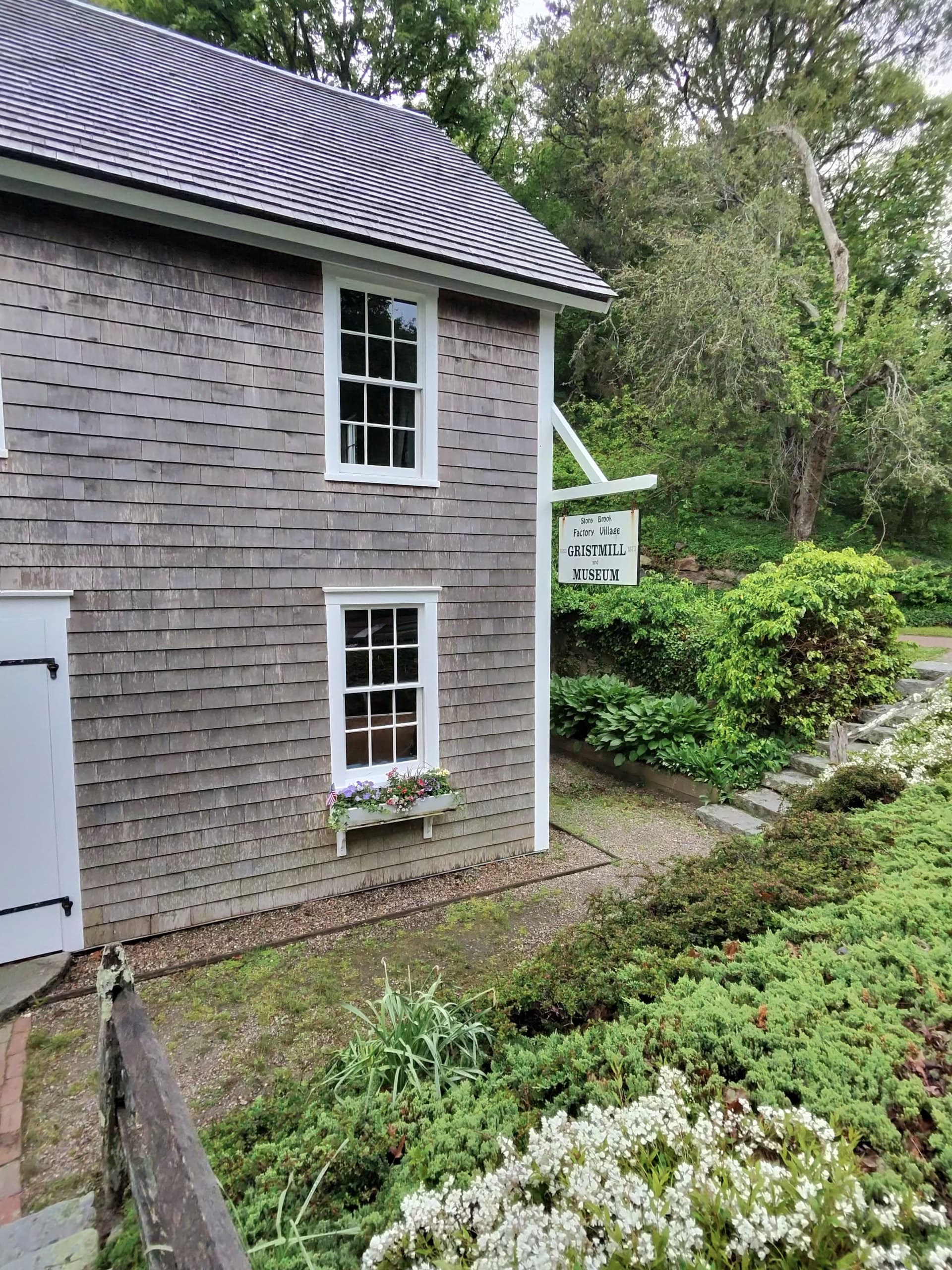
Cape Cod Home
Why Fall Is the Best Time to Buy a Home on Cape Cod
Motivated sellers, available inspectors, and a clear-eyed view of the property: here's why fall is the smartest window to buy a home on Cape Cod.
Real Cape Cod places, checked by us — not ranked by algorithms.
Explore what's hereThe Register · Realtors
The people who know which street floods, which side of town hears Route 6, and which cottage has held its family for three generations. Browse local agents by town — every one listed by name, agency, and license.
Tap a town or village on the map to see its tax rate, market snapshot and school district, and the local realtors who serve it. Filter by region to narrow the map.
Showing Harwich
Lower Cape
Harwich is a harbor town that never turned into a postcard factory. Harwich Port strings three working harbors along Nantucket Sound — Wychmere with its near-perfect circle, Saquatucket with the ferry and charter boats, Allen Harbor tucked in quiet — and the village between them still feels like a place people live, not a set. Inland, the cranberry bogs that built the town's first fortunes still flood red every fall, and institutions like the Family Pantry (one of the Cape's largest) say something true about the year-round community underneath the summer polish. Wequassett sits on Pleasant Bay reminding everyone the town can do five-star when it wants to.
Harwich is a small market — which means the medians swing month to month, so treat any single number as a snapshot, not a verdict. In August 2026, the median sold price was $824,450, with homes averaging 31 days on market and 60 active listings (Movoto market trends, data as of Sept 2, 2026). The town-wide number hides a wide split: south of 28 near the harbors is one market, the wooded streets of North Harwich and Pleasant Lake another, and a couple of waterfront sales can swing the median hard. A local agent who knows which side of Route 28 a street sits on will read it better than any chart — that's what the realtors serving Harwich are for.
Harwich's FY2026 tax rate is $5.81 per $1,000 of assessed value, per the town's own tax calculator, down from $5.91 in FY2025 (Town of Harwich, Tax Calculator). The town completed a full revaluation for FY2026, so individual assessments moved too — run the math on the parcel, and confirm the current rate and exemptions with the Assessing Department before you budget.
Harwich shares the Monomoy Regional School District with neighboring Chatham: Harwich Elementary School in town, then Monomoy Regional Middle School and Monomoy Regional High School for the upper grades (monomoy.edu). The regional high school itself sits in Harwich — a point of quiet local pride.
Harwich is where Route 6 starts bending toward the Lower Cape — Exit 82 (the old Exit 10) drops you nearly into the middle of town, which makes it one of the easier southside towns to actually reach. Route 28 rolls through Harwich Port at beach-town speed all summer. Saquatucket Harbor runs seasonal fast-ferry service to Nantucket, the Cape Cod Rail Trail cuts through town with a spur toward Chatham, and CCRTA buses cover the 28 corridor. Off-season, Boston is a manageable drive; in August, you time the bridges like everyone else.
The honest version: Harwich Port in February is a quiet main street with a few faithful year-round spots holding the line, and the harbors go still except for the workboats. But Harwich carries more year-round infrastructure than most Lower Cape towns — schools in town, the community center, the Family Pantry's army of volunteers — and the town's several villages each keep their own low-key identity through winter. Cranberry country doesn't close; it just goes quiet and red-gold.
(None of these are reasons not to buy — they're the questions a good local agent raises in the first conversation. Ask them.)
Port Summer Nights turn Harwich Port's main street into a block party on summer evenings, and the harbors stay busy with charters and ferry traffic into fall. Then comes the town's signature: the Harwich Cranberry Arts & Music Festival in September, when the bog heritage takes center stage. Wequassett's season runs long on Pleasant Bay. Our Harwich guides cover the rest — the harbors, the bogs, where to eat after.
Facts on this page verified by Cape Cod Certified on September 2, 2026. Sources: Town of Harwich — Tax Calculator · Movoto Harwich market trends · Monomoy Regional School District. Market figures are snapshots and move monthly; confirm current rules with the Town of Harwich.
2 local agents serve Harwich, each listed by name, agency and license. Contact them directly; nothing sits in between.
Listing open
Local agent in Harwich
Your name, agency and MA license, with the neighborhoods you know best.
List yourselfOn Cape Cod, a good realtor isn’t a salesperson — they’re a translator. This is a place where two houses a quarter-mile apart can live in different worlds: one on town sewer, one on a septic system with its own rules; one a five-minute walk to a bay beach, the other backing onto conservation land that will never be built on. The MLS listing won’t tell you that. A local agent will — usually in the first five minutes.
The Cape’s fifteen towns aren’t interchangeable, and neither are their villages. The person who knows why Osterville and Marstons Mills feel like different planets despite sharing a town line, or what “close to the beach” honestly means in February, has usually spent years learning it — at town meeting, at the transfer station, in line at the fish market. That knowledge is exactly what you can’t Google.
Town fluency.
School routes, road noise, summer traffic patterns, which neighborhoods empty out after Labor Day and which ones stay lit all winter.
The unglamorous essentials.
Septic and Title 5, flood zones and insurance realities, well water, conservation setbacks, short-term-rental registration — the things that decide whether a charming listing is actually a good buy. A local agent raises them before you have to ask.
The off-market Cape.
Small towns run on relationships. Agents hear about the cottage that’s “thinking about selling” long before a sign goes up.
Year-round honesty.
Anyone can sell you July. The agents worth knowing will tell you what the same street feels like in January — and who that’s perfect for.
A network that outlasts the closing.
The plumber who actually answers in August, the builder who knows the town’s building department by first name. Your agent’s contact list becomes yours.
Why these agents are on Cape Cod Certified: every agent here is listed by name with their agency and license, on a permanent page — not ranked by ad spend, not hidden behind a lead form that sells your number. You see who they are, where they work, and which towns they actually serve. Reach out directly; nothing between you and them.
See the house in winter, and shop in the fall, when sellers are motivated and inspectors are available. These guides are written for buyers and owners by our local team.
Cape Cod Home
Motivated sellers, available inspectors, and a clear-eyed view of the property: here's why fall is the smartest window to buy a home on Cape Cod.
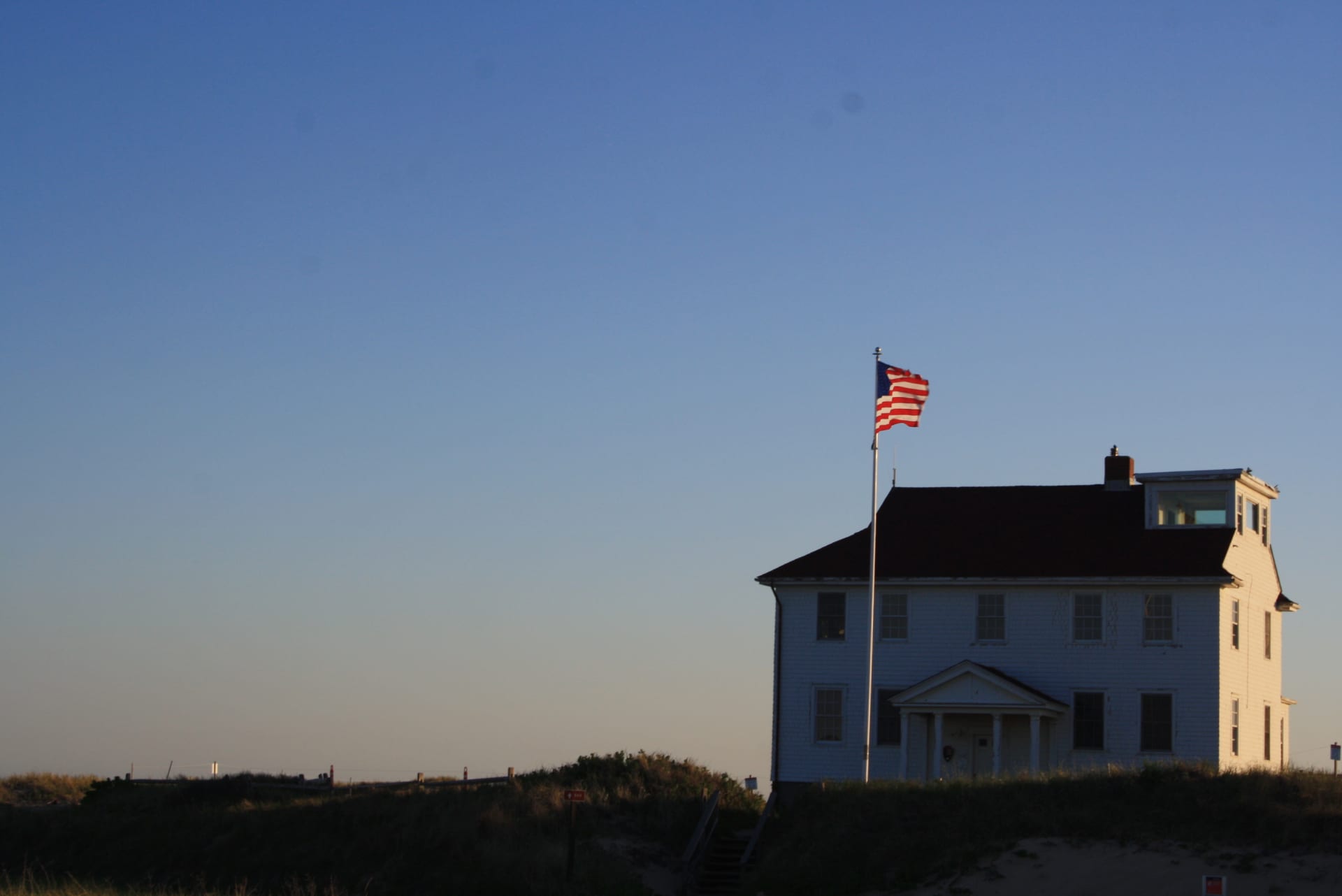
Cape Cod Home
A winter showing on Cape Cod exposes heating gaps, ice dams, moisture problems, and neighborhood reality that summer hides. Use this checklist before you buy.
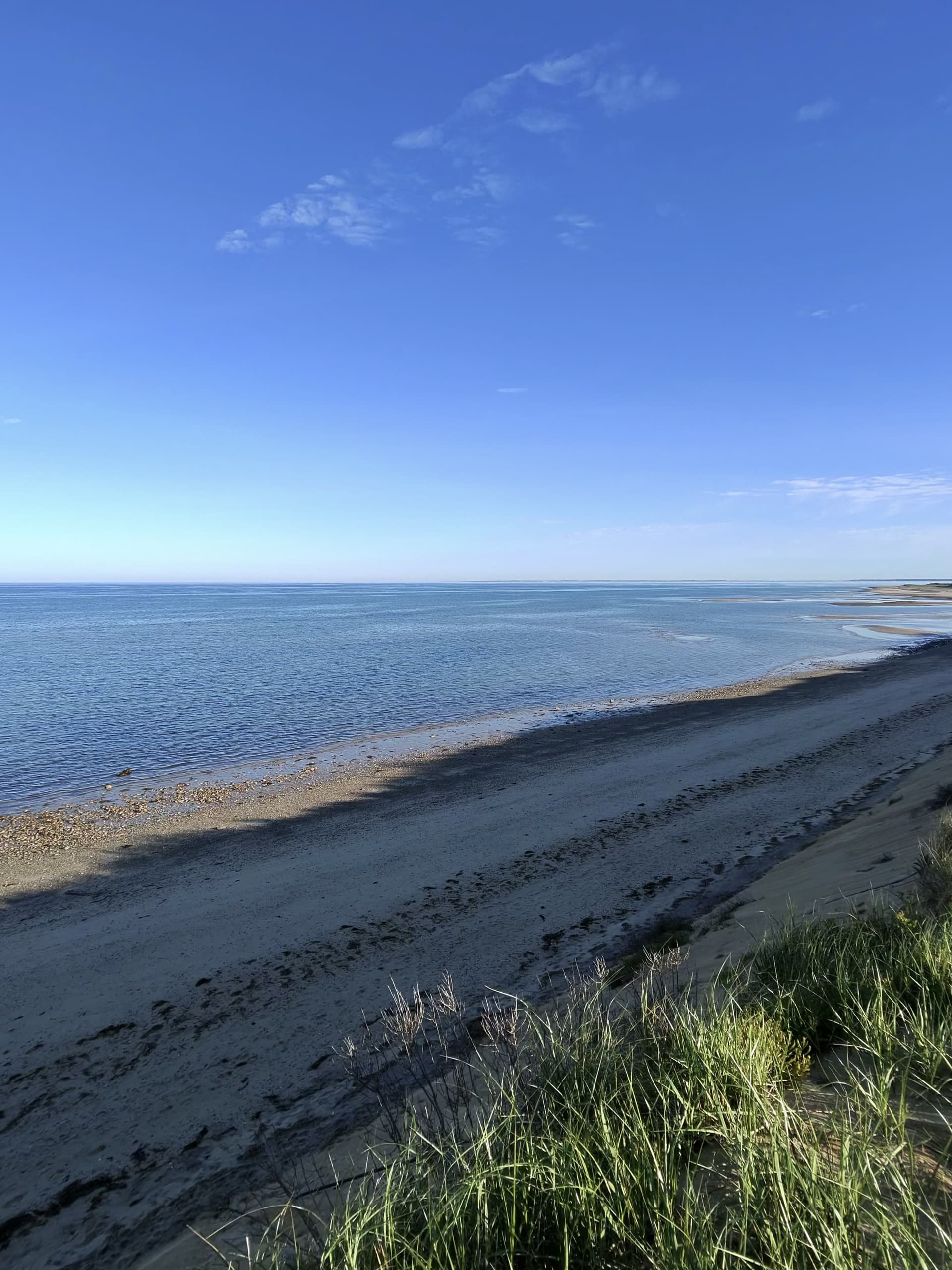
Cape Cod Home
Work backward from Memorial Day with this month-by-month Cape Cod buyer's timeline — why winter buyers win the summer, and how contractor scheduling seals it.
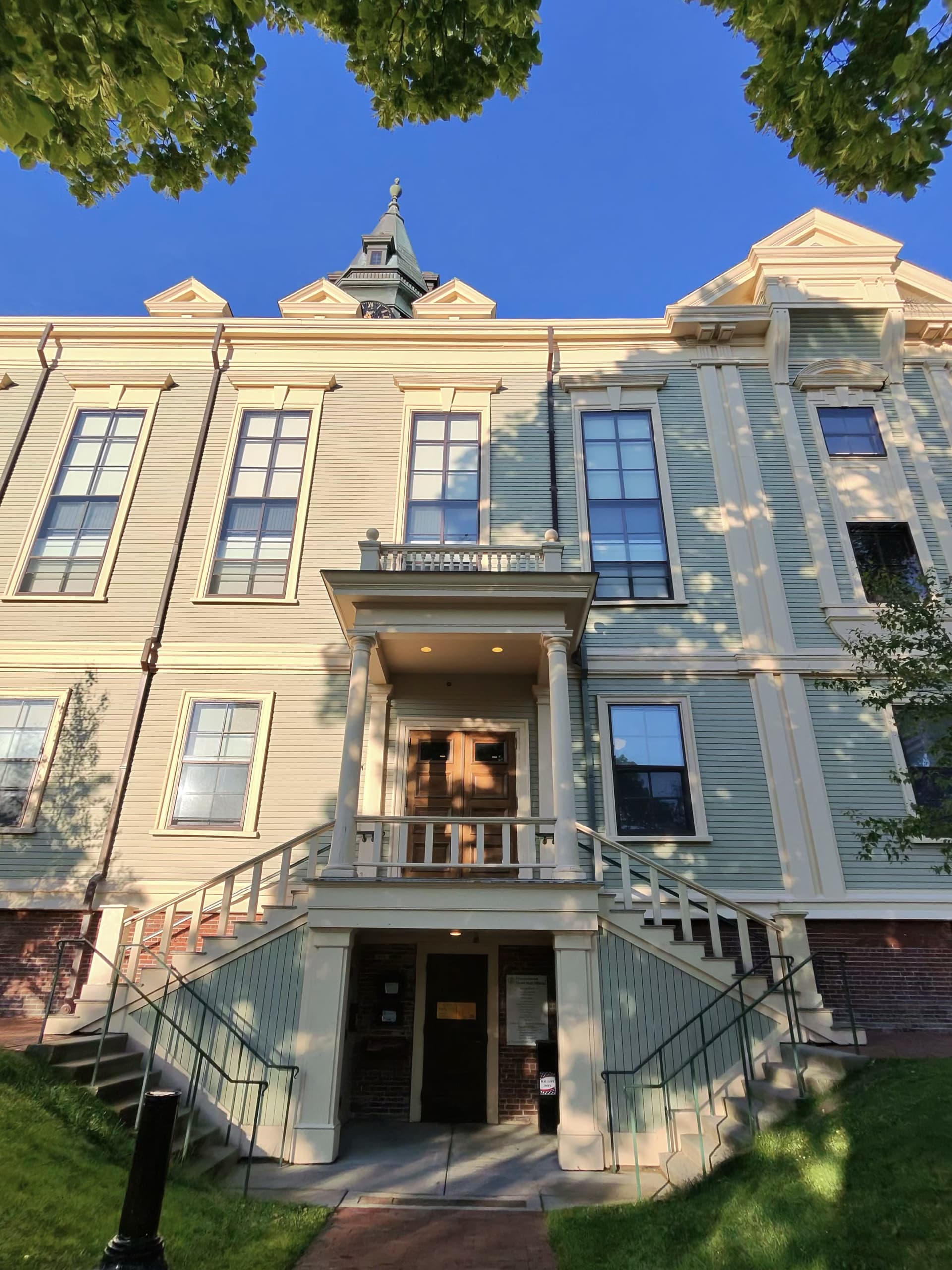
Cape Cod Home
A practical, warm guide for families navigating an inherited Cape Cod cottage — co-ownership, deferred maintenance, rental income, and the sell decision done right.
Cape Cod Home
An honest decision framework for Cape Cod homeowners deciding whether to list October–March or hold for spring. Buyer motivation, inventory, and showing prep explained.
Cape Cod Home
Learn how Cape Cod's off-season rental market works — who rents, what a winter lease covers, how to screen tenants, and what to do about insurance.
By name, agency and license, on a permanent page, with the towns they actually serve. The list is not ranked by ad spend, and there is no lead form that sells your number.
No. Sponsored agencies and agents appear in clearly labelled spots on town pages and beside the map, and their order rotates. The register itself stays in the same order for everyone.
Septic and Title 5, flood zones and insurance, well water, conservation setbacks and short-term-rental registration. A local agent raises them before you have to ask.
Create a free agency account, then add each agent with a one-time $350 seat and choose the towns and villages they serve. Agent spots on a town page are for agents who live in that town.